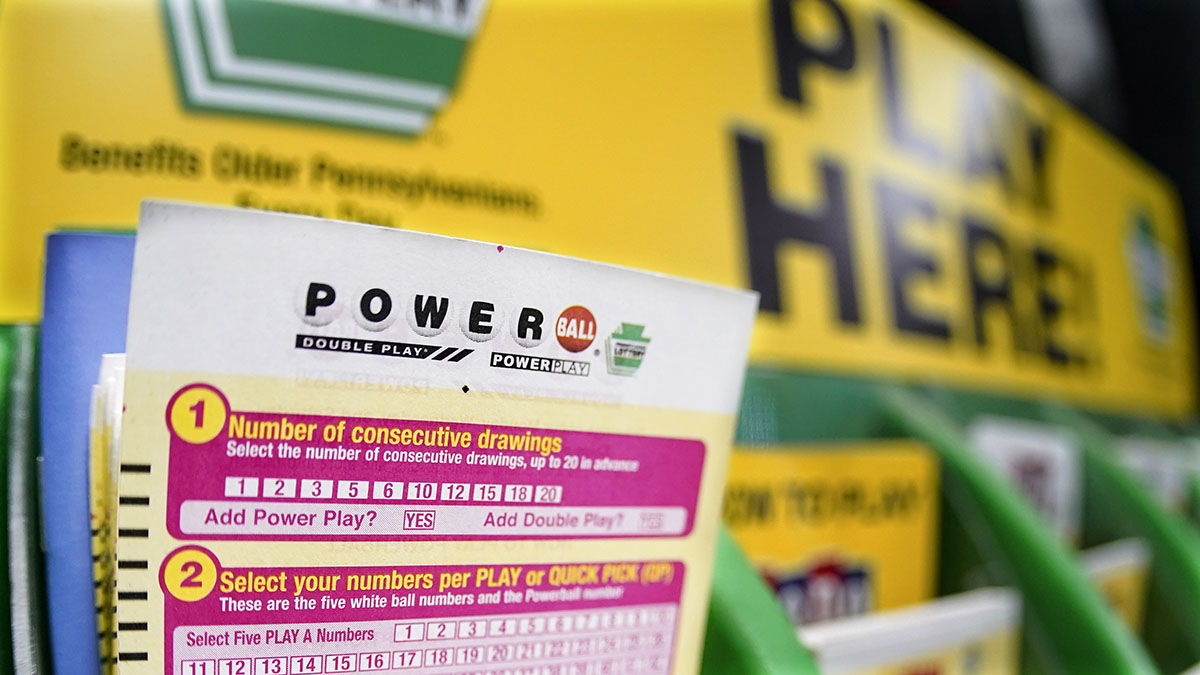
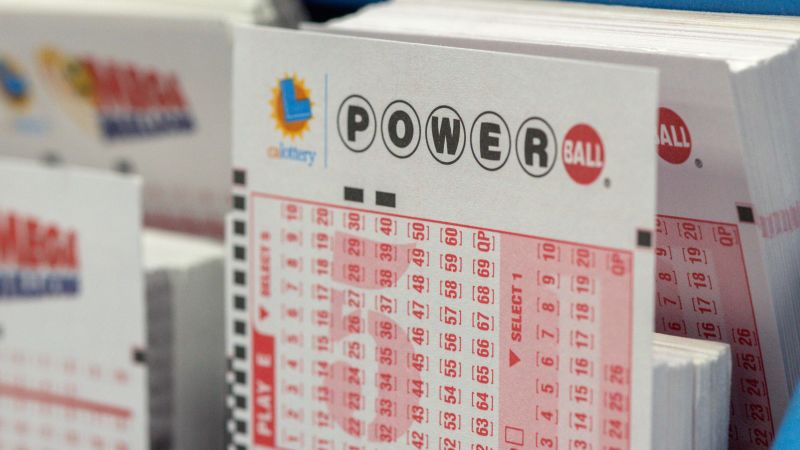
The recent Powerball drawing has left many hopeful players disappointed as the $930 million jackpot remains unclaimed. However, the excitement continues to build as the jackpot now stands at an estimated $1 billion for the upcoming drawing on Saturday.
The winning numbers for the latest drawing were 10, 16, 29, 33, 69, with the Powerball number 22 and a Power Play multiplier of 3. While the grand prize went unclaimed, three lucky ticket holders from Maryland, Michigan, and New Jersey each won $1 million. This marks the second-largest prize of the year for the Powerball lottery.
The jackpot has been steadily increasing over the past few months since the massive $1.787 billion jackpot in September, which is the second-largest in Powerball history. The odds of winning the jackpot were extremely slim, with players facing a 1 in 292.2 million chance of hitting the jackpot. However, smaller prizes ranging from $4 up to $1 million offered better odds of winning.
In September, the huge jackpot was split between winners in Texas and Missouri. The Powerball lottery is available in nearly all states, Washington, DC, Puerto Rico, and the US Virgin Islands, with tickets priced at $2. However, five states—Alabama, Utah, Alaska, Hawaii, and Nevada—do not participate in the lottery for various reasons including lack of incentives and lobbying efforts.
Fans of the Powerball can participate in the thrills of the lottery three times a week, with drawings held every Monday, Wednesday, and Saturday at 10:59 p.m. ET. Players have the option to add the Power Play multiplier for a chance to boost their winnings except for the jackpot, or opt for the Double Play for an extra chance at winning $10 million.
Winning the lottery can be a life-changing event, but it also comes with tax implications that winners need to be aware of. If you are fortunate enough to win the Powerball jackpot, choosing the cash option of $429 million could result in a substantial reduction after taxes.
The prize is subject to federal withholding, with the IRS removing 24% of winnings over $5,000. This withholding would reduce the $429 million cash option to around $326 million, with $103 million going to federal taxes. Additionally, winners would need to plan for an additional 13% in federal taxes when filing their returns, placing them in the top tax bracket of 37%.
State taxes also play a significant role in determining the final amount received by the winner, with rates varying between states. While states like California, Florida, New Hampshire, South Dakota, Tennessee, Texas, Washington, and Wyoming do not tax lottery winnings, others have a range of tax rates that winners must consider.
It is essential for winners to work with tax professionals, financial advisors, and estate planning attorneys immediately after winning the jackpot to minimize tax liabilities and ensure proper financial planning. Creating written agreements for lottery pools and documenting the distribution of winnings can help avoid potential tax issues in the future.
In conclusion, as the Powerball jackpot climbs to a staggering $1 billion, hopeful participants eagerly await the next drawing in the hopes of becoming the next lucky winner. While the thrill of winning can be life-changing, understanding the tax implications and seeking professional guidance are crucial steps for jackpot winners to secure their newfound wealth.