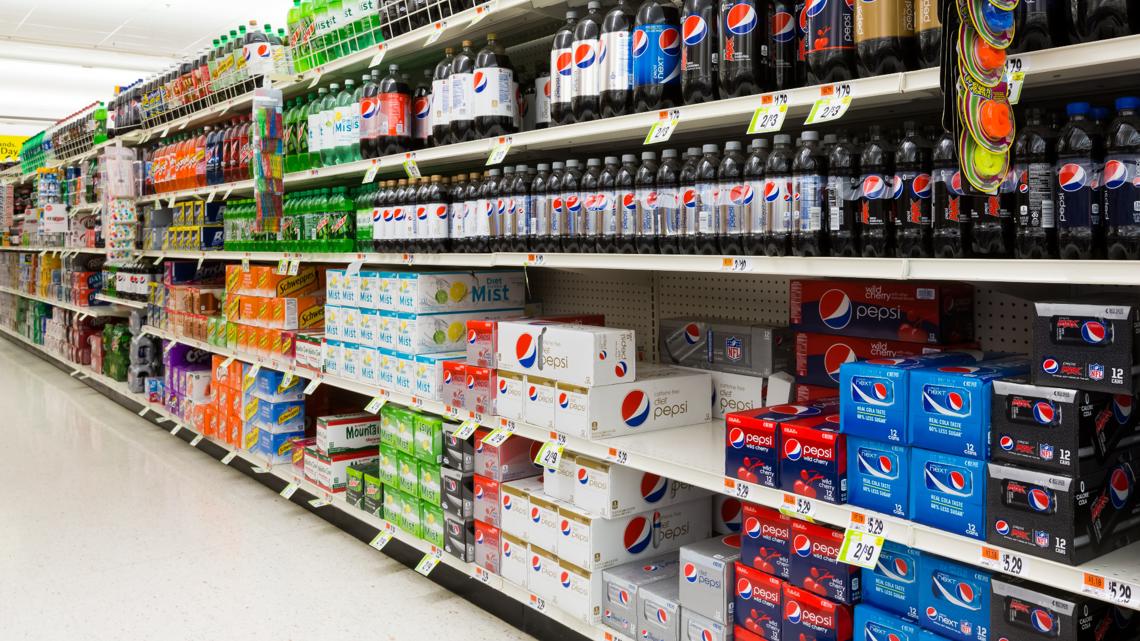
18 states, including Virginia, have recently had their SNAP food-choice waivers approved as part of the Make America Healthy Again initiative. This initiative aims to restrict SNAP benefits from being used on certain processed foods and drinks, focusing on promoting healthier nutrition choices among recipients. The recent approval for Virginia specifies that starting in April 2026, SNAP benefits in the state can no longer be used to purchase sweetened carbonated beverages that contain added sugars or artificial sweeteners. This restriction encompasses a variety of carbonated drinks, including sodas, diet sodas, and energy drinks.
The move to limit SNAP purchases in Virginia is part of a broader effort across the country to enhance the nutritional integrity of the program. The decision to restrict certain processed and sugary items is seen as a step towards combating the chronic diseases epidemic that has affected many Americans. This aligns with the Trump administration's vision of refocusing SNAP on its original purpose of providing nutritional support to families in need.
With Governor Glenn Youngkin expressing support for the state's participation in the SNAP waivers, Virginia joins a group of states that are aiming to implement tailored solutions to strengthen federal nutrition programs. The state's involvement in the waiver program underscores the administration's commitment to allowing states more flexibility in managing their SNAP programs while upholding nutritional standards. Virginia's SNAP waiver approval reflects a collaborative effort between federal and state authorities to improve the health outcomes of SNAP beneficiaries through healthier food choices.
In the broader context of SNAP reform, the waivers granted to states mark a significant shift in policy towards promoting healthier eating habits among program participants. By restricting the purchase of non-nutritious items such as carbonated drinks, federal officials aim to ensure that taxpayer dollars are spent on food items that contribute to better health outcomes. These waivers serve as a key strategy in the Trump administration's efforts to revitalize SNAP and reinforce the importance of nutrition in the program.
Overall, Virginia's participation in the SNAP food-choice waiver program exemplifies a proactive approach towards promoting healthier dietary choices among SNAP beneficiaries. By restricting the purchase of sweetened carbonated beverages, the state is taking a targeted step towards improving nutrition standards within the program. This collaborative effort between federal and state authorities reflects a shared commitment to enhancing the well-being of individuals and families who rely on SNAP for essential food assistance.