
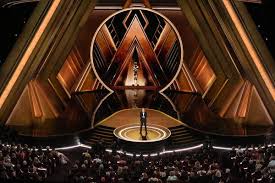
The Oscars, the world's most prestigious awards show, are set to undergo a monumental shift in platform as they transition from broadcast television to streaming on YouTube. This move, spearheaded by the Academy of Motion Picture Arts and Sciences, marks a significant departure from the traditional television format that has characterized the Oscars for over 50 years on ABC. The decision to stream the Oscars live and for free on YouTube starting in 2029 reflects a broader trend in the entertainment industry where digital platforms are increasingly becoming the new power centers for cultural authority.
The shift from ABC to YouTube is not merely a technological change but a strategic move driven by the need for relevance in an evolving media landscape. ABC's long-standing history with the Oscars, dating back to 1976, once held significant weight, but as viewership numbers have declined over the past decade, the traditional telecast model has become increasingly less sustainable. The allure of YouTube lies in its vast global reach, with over 2 billion users, instant international distribution, and a built-in younger audience base. Moreover, YouTube serves as a hub for year-round film discussions, providing a dynamic platform for engaging with audiences in new ways.
For the Academy, partnering with YouTube represents a shift towards prioritizing visibility over outdated notions of broadcast prestige. By moving the Oscars to a streaming platform, the ceremony can now exist as part of a larger content ecosystem, encompassing not just the main event but also red carpet coverage, backstage access, nomination announcements, and various other related ceremonies and interviews. This diversification of content allows the Academy to engage with audiences over an extended period, transforming the Oscars from a single annual event into a continuous narrative unfolding on a digital stage.
Central to this structural shift is the growing influence of creators within the entertainment landscape. YouTube's emphasis on empowering creators aligns with the Academy's new direction, where creators are expected to play a pivotal role in shaping audience reactions to the Oscars in real-time. The democratization of content creation means that the Oscars no longer rely solely on critics, networks, or traditional media outlets to define success; instead, creators now occupy a central position in framing the narrative around the awards ceremony.
Disney, the parent company of ABC, made a strategic decision not to renew its rights deal for the Oscars beyond 2028, citing creative control issues and diminishing returns on investment. By moving the Oscars to YouTube, the Academy opens up new avenues for financial growth, including global sponsorship deals, broader advertiser appeal, and data-driven audience insights that enable more effective monetization strategies. The shift to a digital platform allows the Academy to think globally, transcending traditional broadcast boundaries and unlocking new revenue streams.
The partnership between the Academy and YouTube represents a seismic shift in the entertainment industry, signaling a departure from the era where broadcast television served as the primary arbiter of cultural significance. The move to YouTube reflects a broader shift towards participatory culture, scale, and accessibility, where anyone can engage with and react to cultural events like the Oscars in real-time. By embracing digital platforms, Hollywood is adapting to the changing media landscape, where cultural influence is increasingly shaped by online communities and content creators rather than traditional gatekeepers.