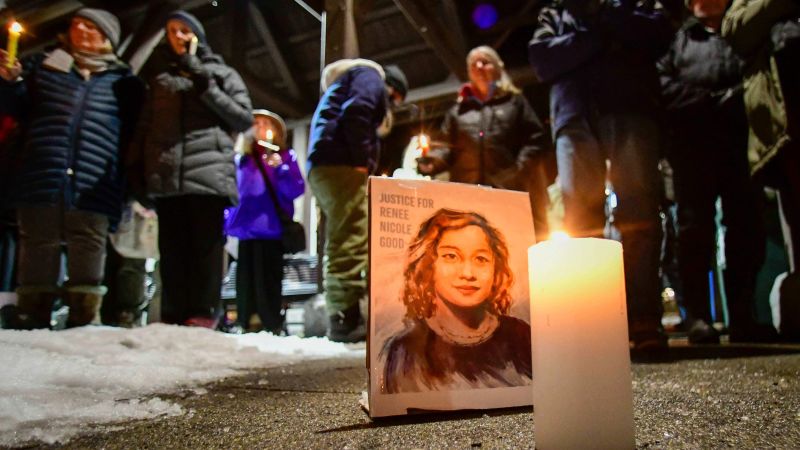

In a tense and troubling escalation of events in Minneapolis, another shooting involving federal officials has left a person from Venezuela injured. This incident occurred just a week after the fatal shooting of Renee Good by an ICE officer. The Department of Homeland Security reported that federal officers were carrying out a targeted traffic stop when the shooting took place in the 600 block of 24th Avenue North in Minneapolis.
According to sources, the shooting involved ICE, and it unfolded when the person being approached allegedly assaulted an officer, resulting in them being shot. The injured individual is reported to be stable and in custody after sustaining a gunshot wound to the leg during an altercation with federal officers. Reports indicated that the individual had wielded a shovel during the arrest, prompting the use of lethal force.
The aftermath of the incident saw an outpouring of protest as crowds gathered to voice their anger and frustration over the repeated shootings involving ICE in their community. Demonstrators confronted ICE agents, demanding they leave the area, while tear gas and flashbangs were deployed by authorities to disperse the crowd. The situation grew increasingly tense as flashbangs and irritants were used on protesters, causing pain and prompting calls for ICE's removal from Minneapolis.
The Department of Homeland Security issued a statement detailing the events leading to the shooting, highlighting a struggle between the officer and the individual being arrested, which escalated when two others joined in to assault the officer with a shovel and a broomstick. In a bid to defend himself under what was described as a life-threatening situation, the officer resorted to firing shots, injuring the individual.
The response from local officials was swift, with Minneapolis City Council Member LaTrisha Vetaw expressing concern over the escalation of events and the use of force. Despite clarifications that the Minneapolis Police were not involved in the shooting, tensions remained high as the community sought answers and accountability in the wake of these traumatic events.
The disturbing nature of these incidents has raised questions about the approach to immigration enforcement and the use of force by federal agents. The broader context surrounding the shootings, including the involvement of individuals in monitoring ICE activities, has added complexity to an already volatile situation. The revelation of Renee Good's connections to efforts to disrupt ICE operations has fueled debates about the handling of dissent and protests in the face of federal law enforcement actions.
Legal experts and civil rights advocates have scrutinized the response of federal officials, pointing out potential biases in the investigation and the focus on protester activities rather than addressing the use of deadly force by law enforcement. The guidance provided to community members on nonviolent responses and civil disobedience tactics has come under scrutiny, with some experts highlighting the discrepancy between peaceful protest strategies and allegations of domestic terrorism.
The aftermath of these events has exposed deep divisions within the community and raised concerns about the safety of activists and residents involved in monitoring and resisting ICE activities. As investigations continue into the shootings and the circumstances surrounding them, the need for transparency, accountability, and a nuanced understanding of the dynamics at play becomes increasingly crucial. The impacts of these tragic incidents reverberate beyond Minneapolis, serving as a stark reminder of the complexities and tensions inherent in immigration enforcement and community activism.