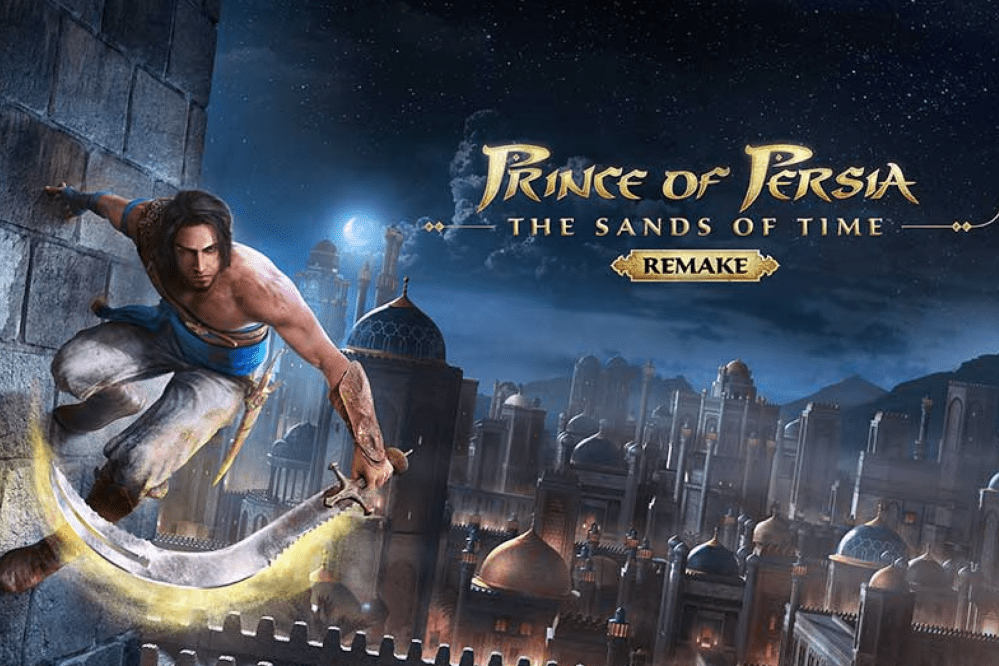

French video game giant Ubisoft shocked the gaming world as its shares plummeted by a staggering 34% following the announcement of a significant organizational overhaul. The maker of popular game franchises like Assassin's Creed revealed plans to shut down multiple studios and scrap six games, including the anticipated "Prince of Persia: The Sands of Time" remake.
These drastic changes come amidst a period of turmoil for Ubisoft, which has struggled with declining stock prices in recent years. The impact of the Covid-19 pandemic, coupled with delays in key releases and financial challenges, has taken a toll on the company's bottom line. Ubisoft is bracing for an operating loss of approximately 1 billion euros in the financial year ending 2026, driven by a hefty 650 million euro write-down due to the restructuring efforts.
In an official statement, Ubisoft's founder and CEO, Yves Guillemot, emphasized the need for a fundamental shift in the company's operations to adapt to the evolving market landscape. The reorganization will involve the closure of studios in Halifax, Nova Scotia, and Stockholm, with restructuring activities planned for locations in Abu Dhabi, Helsinki, and Malmö. The company aims to streamline costs by implementing measures that are projected to save 500 million euros and reduce fixed costs to 1.25 billion euros by March 2028.
Ubisoft's new strategy involves dividing its operations into five decentralized "Creative Houses," each focused on specific genres to enhance game development and brand strategies. The restructuring will prioritize quality and selectivity in the game portfolio, as illustrated by the discontinuation of multiple projects that no longer align with Ubisoft's quality standards. The company intends to allocate more development time to seven key games to ensure top-notch quality and maximize long-term value.
Despite the cancellations and studio closures, Ubisoft remains committed to innovation, with several new intellectual properties cIPsc in the pipeline. The company has acquired games like "March of Giants" from Amazon, highlighting its strategic shift towards developing original content. Moreover, Ubisoft plans to reintroduce a five-day in-office policy for its teams, with provisions for remote work allowances.
While the restructuring may impact short-term financial performance, Ubisoft is optimistic about the long-term prospects of the company. Guillemot outlined a vision for sustainable growth and enhanced creative leadership through the integration of Creative Houses, emphasizing a decentralized creative structure for faster decision-making and superior game development.
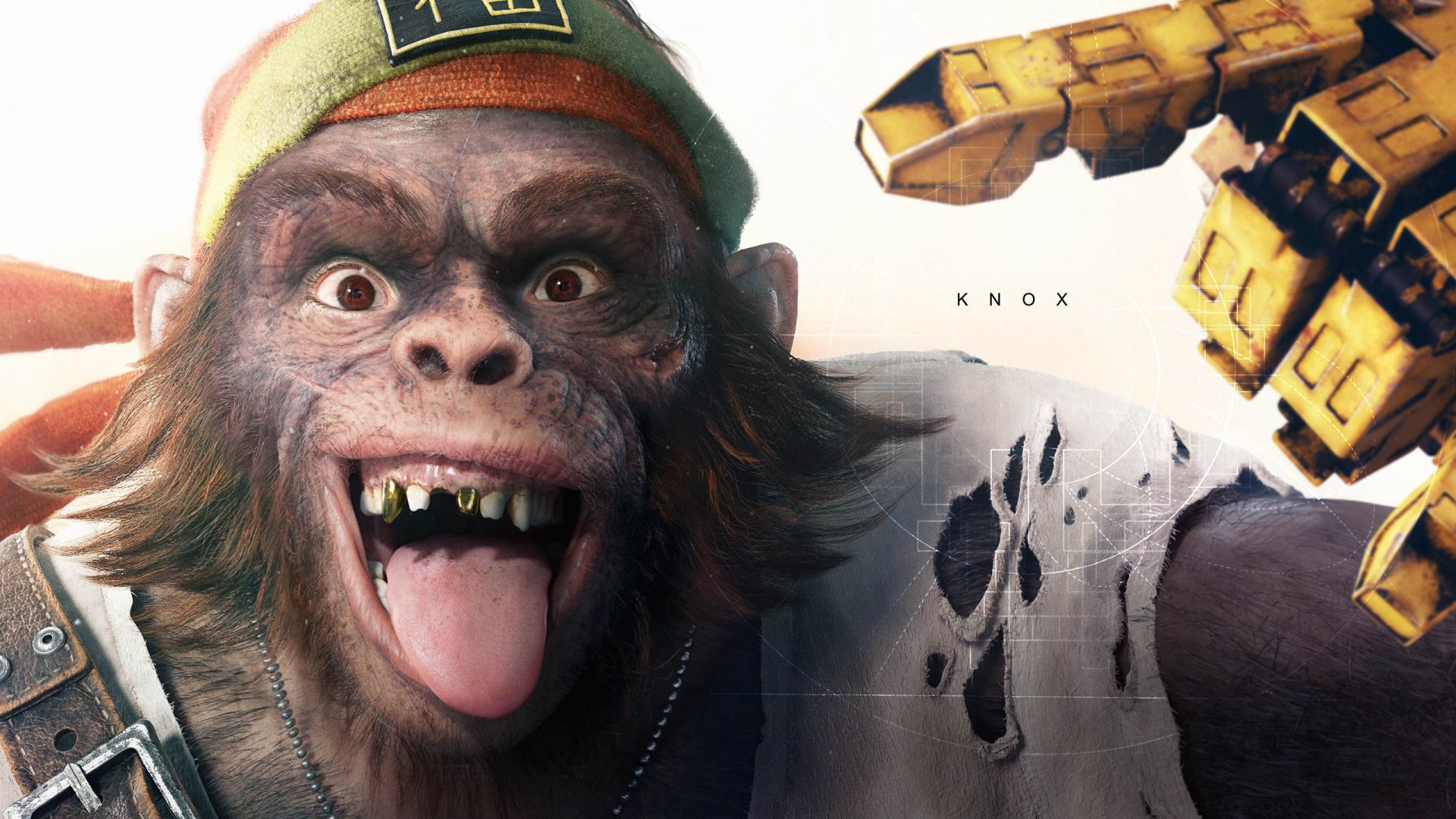
In a surprising turn of events, Ubisoft's long-awaited project, "Beyond Good & Evil 2," survived the recent culling of games. Despite facing significant development challenges and cost overruns, the company holds onto hope for this ambitious title, signaling its belief in the project's potential.
As Ubisoft navigates through these transformative changes, the gaming community eagerly anticipates the unveiling of new games and the direction the company will take with its revised strategy. The future of Ubisoft hinges on its ability to adapt to market demands, deliver high-quality gaming experiences, and rebuild its reputation as a leading player in the industry.