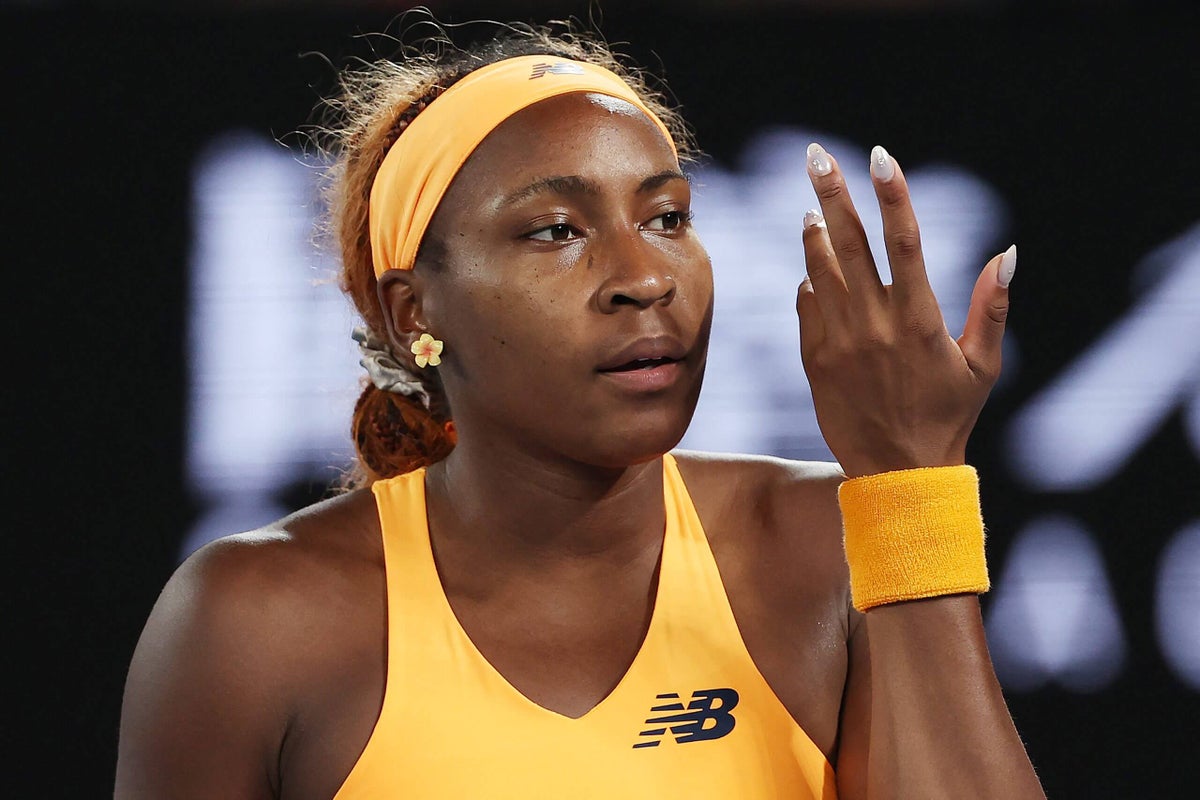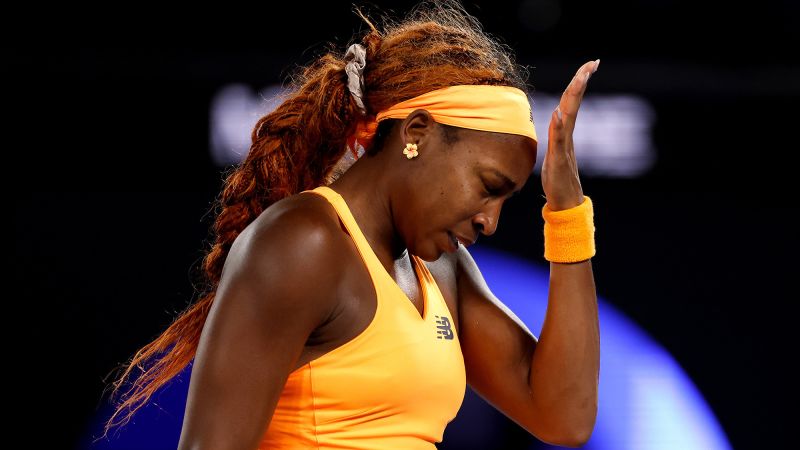
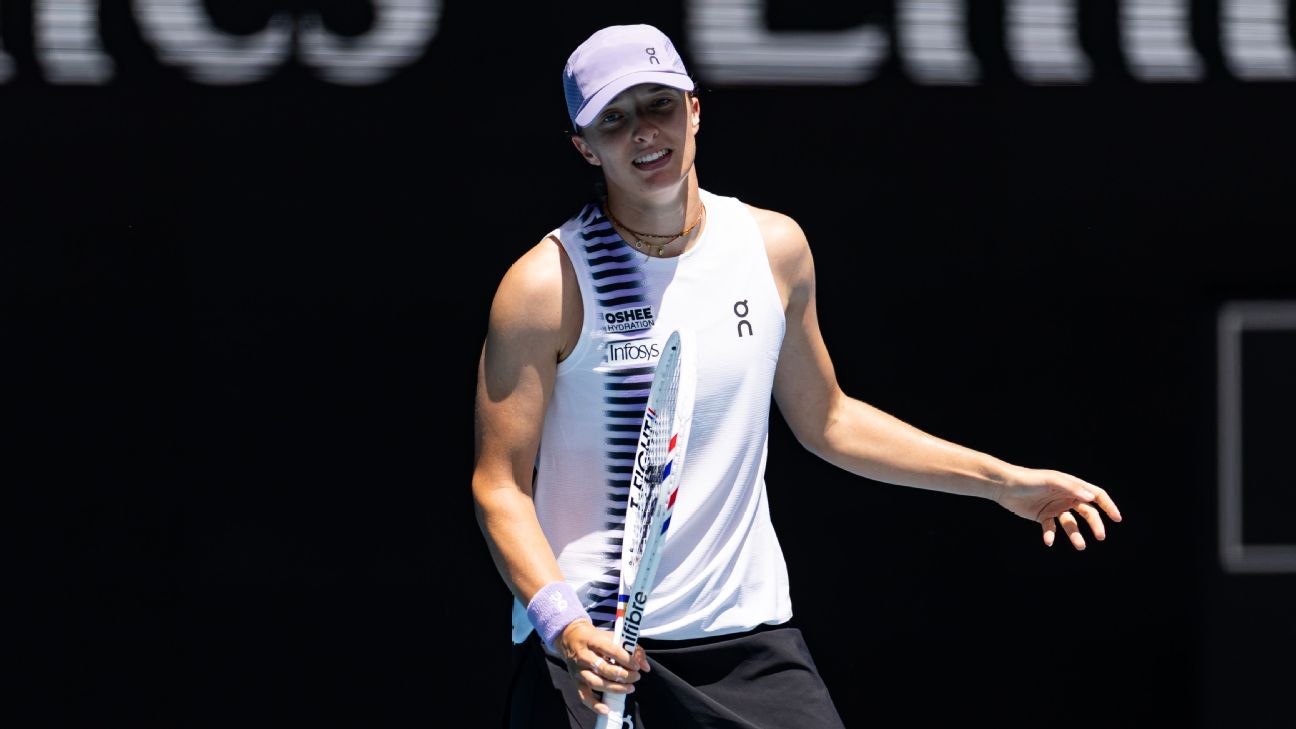
After Coco Gauff's disappointing loss in the Australian Open quarterfinals, she was caught in a moment of frustration off the court, which was inadvertently captured by cameras. This incident has sparked a discussion about the lack of privacy and personal space for players at tennis tournaments. Iga Swiatek, another top player, echoed Gauff's sentiments, emphasizing the need for players to have moments away from the constant camera gaze.
Both Swiatek and Gauff highlighted the intrusive nature of the off-court camera surveillance that follows players, capturing moments that players might prefer to keep private. Swiatek, despite being a highly successful player, expressed the desire for areas where players can prepare and unwind without constant observation. The lack of off-camera areas has raised concerns, particularly as players deal with the pressures of competition and emotional moments.
The issue of privacy extends beyond just the Australian Open, with other tournaments facing similar challenges. As fan engagement activities and entertainment value are emphasized, the boundary between public spectacle and personal privacy can blur for players. The intersection of sportsmanship, entertainment, and personal space has become a point of contention, especially for high-profile players like Swiatek and Gauff, whose every move is scrutinized and broadcasted.
This incident has reignited discussions around the balance between providing entertainment for fans and respecting the privacy of players. Swiatek and Gauff's fellow players, including Jessica Pegula, have voiced support for increased privacy measures and a reevaluation of the extent of camera coverage. Pegula, after her own match, emphasized the need for players to have sanctuaries away from the public eye, echoing the sentiments of Gauff and Swiatek.
The controversy surrounding Gauff's post-match outburst underscores the challenges faced by athletes in maintaining composure under intense scrutiny. The emotional toll of competition, coupled with the constant exposure to cameras, raises questions about the mental well-being of players. The pressure to perform on the court while navigating the demands of public visibility has brought to light the complexities of being a professional athlete in the digital age.
As the discussion continues, it's evident that a delicate balance must be struck between showcasing the sport and respecting the personal boundaries of athletes. The experiences of Gauff, Swiatek, and other players serve as a poignant reminder of the human side of professional sports and the importance of empathy and understanding in handling such situations. In an era where technology enables constant observation, the need for privacy and personal space for athletes remains a critical issue that requires thoughtful consideration and action by tournament organizers and stakeholders.