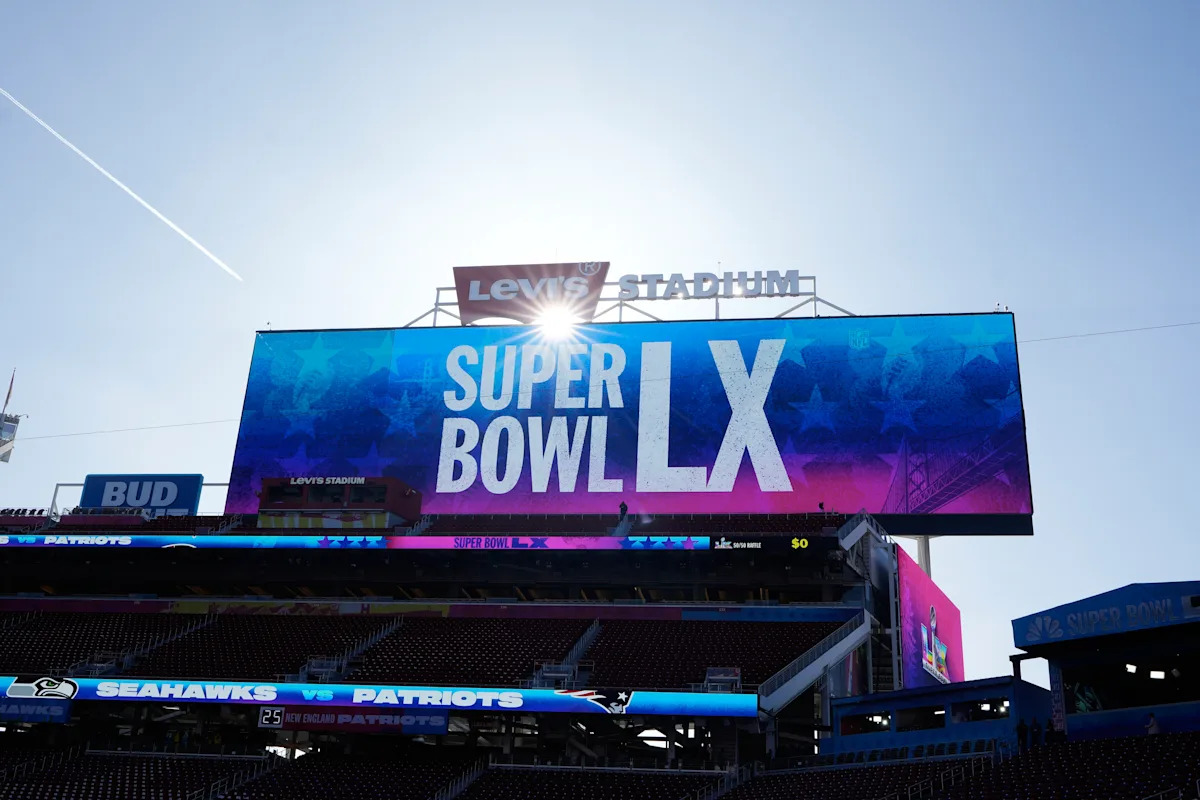
Numismatics, a field focused on the study of coins, currency, and medals, rarely takes center stage at the Super Bowl, but the upcoming Super Bowl 60 will see a unique intersection of history and sports. Ellen Feingold, the curator of the numismatic collection at the Smithsonian’s National Museum of American History in Washington, D.C., will showcase one of her prized possessions during the coin toss before the game.
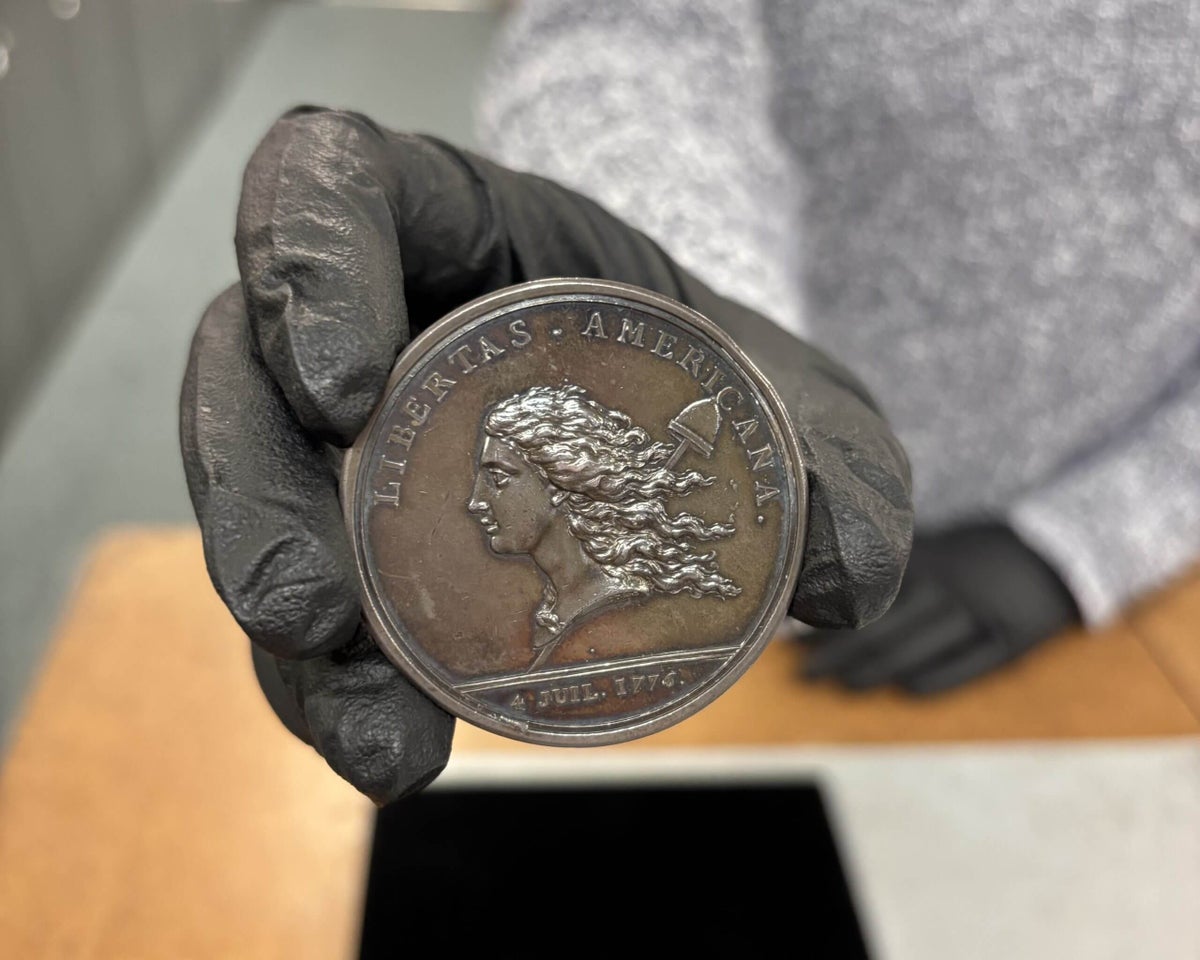
Feingold's collection boasts approximately 1.6 million objects, ranging from ancient cuneiform tablets to modern-day artifacts like a laptop used in the FBI's seizure of stolen cryptocurrency. Among these treasures is a silver medal known as Libertas Americana, famously commissioned by Benjamin Franklin to mark American independence and recognize France's critical support during the Revolutionary War.
The Libertas Americana medal features a striking image of Lady Liberty with flowing hair and is inscribed with the date “4 Juil 1776,” celebrating the historic moment of America's independence. This year, the NFL has chosen to use a modern restrike of this iconic medal in the Super Bowl coin toss, aligning with the nation's celebration of the 250th anniversary of the Declaration of Independence.
On the reverse side of the medal, an allegorical scene depicts the goddess Minerva protecting the infant Hercules from a lion, symbolizing France's protection of the young American nation against British aggression. Franklin, while serving as a minister to France, initiated the medal's creation, which had a limited mintage. Sources suggest that around 300 medals were struck, with a majority in bronze and a select few in silver, possibly fewer than 50.
At the Smithsonian, six Libertas Americana medals are housed, including five bronze pieces and one silver. Despite not being able to borrow original medals, the NFL managed to acquire a restrike from the Paris Mint, the entity responsible for minting the original medals in 1783, for the upcoming Super Bowl coin toss.
Following the coin toss ceremony at Super Bowl 60, the NFL plans to donate the Libertas Americana medal used to the Smithsonian, where it will be publicly displayed among the numismatic collection. Anthea Hartig, museum director at the National Museum of American History, expressed excitement and gratitude for the opportunity to showcase the historical medal during such a momentous event.
The Super Bowl coin toss tradition, while seemingly random, carries significant weight in the world of sports betting. A prop bet on the coin toss, whether it land heads or tails, garners substantial interest from bettors annually. The suspense and anticipation leading up to this split-second decision add an extra layer of excitement to the Super Bowl experience, making it one of the most popular and straightforward bets placed on the game.
Prior to Super Bowl 60, various sportsbooks offered odds on the outcome of the coin toss, presenting it as a true 50-50 proposition. The ability to wager on this seemingly arbitrary event has attracted both casual and serious bettors, with some placing sizable bets on the outcome. Notably, a bettor at Caesars Palace in Las Vegas staked $253,000 on heads for the coin toss, highlighting the magnitude of interest and investments tied to this seemingly minor aspect of the game.
As the Super Bowl coin toss continues to captivate audiences and bettors alike, it remains a symbolic kickoff to one of the most anticipated sporting events of the year. While the outcome may be shrouded in chance, the historical significance and cultural resonance of the Libertas Americana medal add a touch of heritage and depth to this fleeting moment at the pinnacle of American sports.