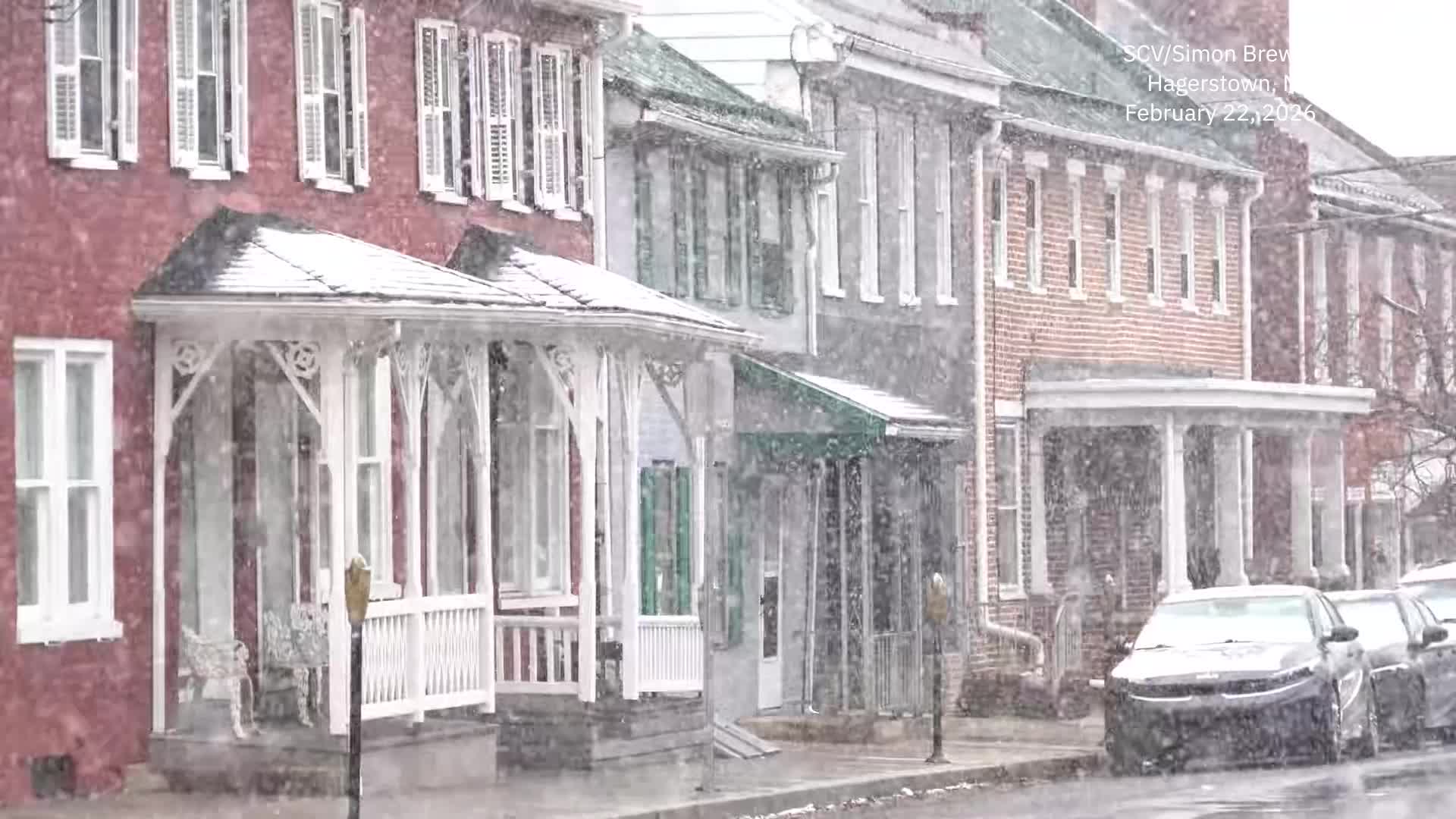
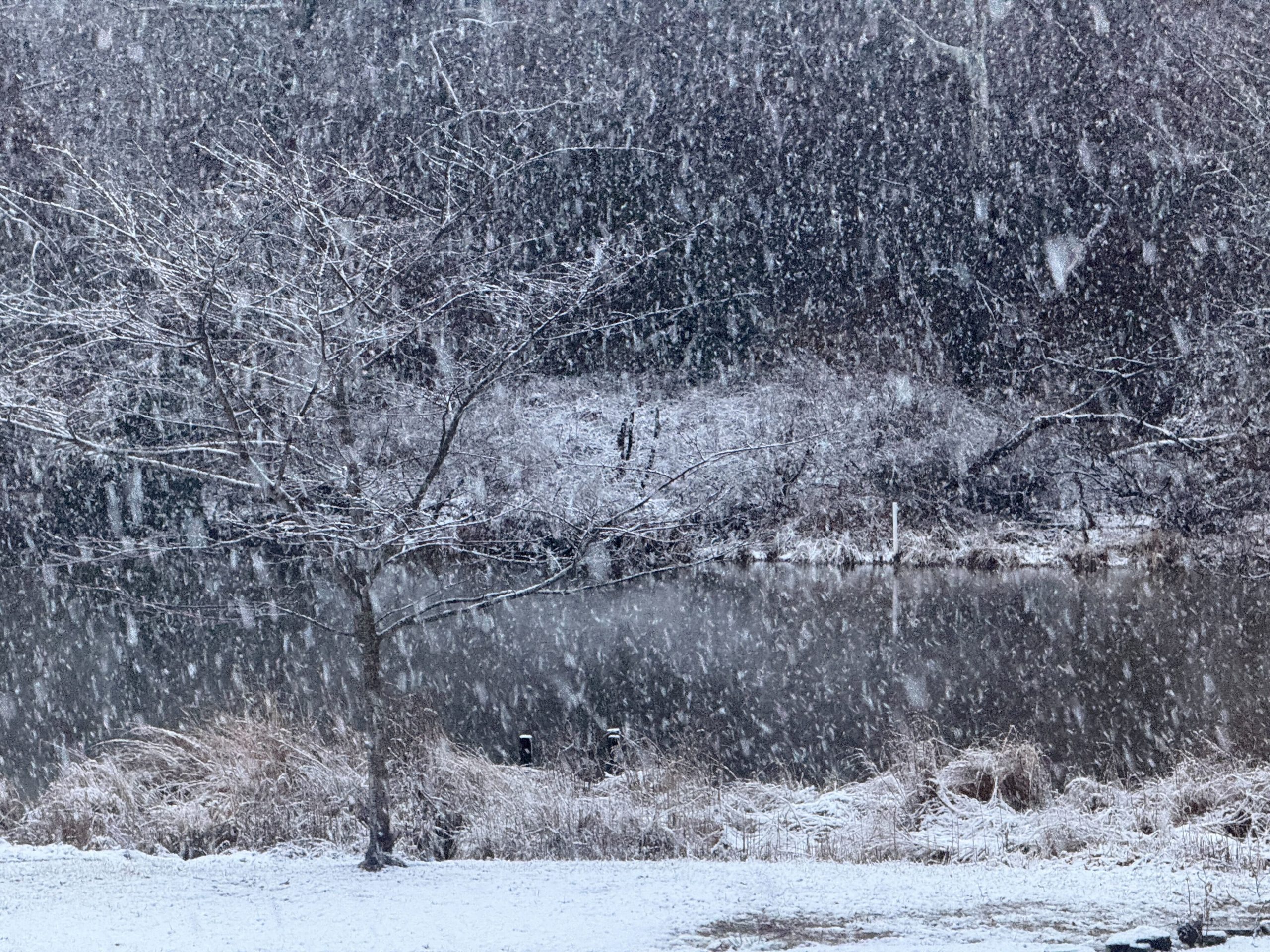
As Winter Storm Hernando sweeps across the mid-Atlantic region, bringing heavy snow and blizzard conditions, residents are preparing for significant impacts on travel and daily life. Meteorologists, including Storm Team4 Meteorologist Ryan Miller, are closely monitoring the storm's progress and providing updates on snow accumulation, road conditions, and potential disruptions.
The storm began as a wintry mix of rain and clumpy wet snowflakes in the Washington D.C. area on Sunday afternoon. While the snow initially struggled to stick in most places, it is expected to accumulate overnight, leading to hazardous travel conditions on Monday. Snowfall totals of 2-6 inches are anticipated in the D.C. metro area, with higher amounts likely in counties east of the city such as Calvert, Charles, Prince George’s, and St. Mary’s.
To address the impending weather impacts, D.C. Mayor Muriel Bowser mobilized the District Snow Team to treat major roadways, and Maryland Governor Wes Moore declared a state of preparedness, advising residents to avoid unnecessary travel. Flight cancellations have already affected numerous flights in and out of the region, indicating the widespread reach of the storm's disruptions.
Local school districts have announced delays and potential closures for Monday, with officials closely monitoring weather conditions to determine the safest course of action. Families are urged to stay informed and plan accordingly for possible changes in school schedules depending on how the storm unfolds.
While the intensity of the storm is expected to peak Sunday night into Monday morning, forecasters foresee a rapid improvement in conditions as temperatures rise above freezing by Monday afternoon. By midweek, highs in the 50s are projected to accelerate the melting of any remaining snow, offering relief from the wintry weather.
Despite the challenges posed by Winter Storm Hernando, this event is not anticipated to have the prolonged impact of the previous month's storm, which blanketed the region in snow for an extended period. As the weather system moves through and temperatures moderate, the region is expected to transition back to milder conditions, minimizing the long-term effects of this winter event.
As residents navigate the storm's aftermath and road crews work to clear snow and ice, staying informed through reliable sources like local news channels and weather apps will be crucial in ensuring safety and preparedness. With diligent monitoring and adherence to safety recommendations, communities in the mid-Atlantic region can weather the storm and emerge resilient in the face of winter's challenges.