Debate Over Voter ID Laws Intensifies in America
The ongoing discussion surrounding voter identification laws has reached a new peak as Republicans push for stricter regulations through the SAVE America Act. This legislation, which aims to require photo identification for voting, has garnered significant public support, yet remains contentious among Democrats and civil rights advocates who view it as a modern-day equivalent of discriminatory practices from the Jim Crow era.
Recent polling data from Pew Research Center reveals that a substantial majority of Americans, approximately 83%, are in favor of requiring government-issued photo IDs to vote. This support spans across various demographics, including 71% of self-identified Democrats and 76% of Black voters. This indicates a notable shift in public sentiment since 2012, when support was at 77%. The increasing acceptance of photo IDs for everyday activities, such as air travel, seems to have influenced this change.
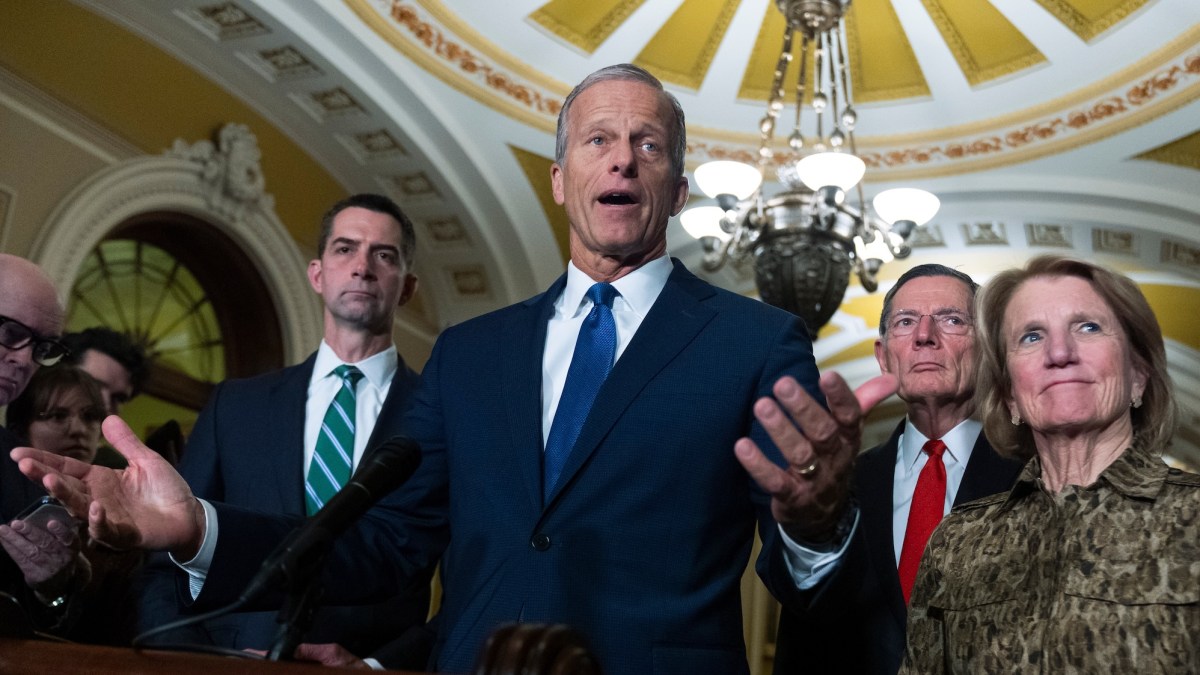
Senator John Kennedy of Louisiana has been vocal in his endorsement of the SAVE America Act, stating that it is essential for restoring trust in the electoral process. He argues that the legislation aims to ensure that only citizens can register and vote, thereby addressing concerns about election integrity. Kennedy’s remarks reflect a broader Republican strategy that positions voter ID laws as a necessary measure to enhance confidence in elections.
However, this push for stricter voting requirements has faced significant opposition from Democrats, who argue that such measures disproportionately affect marginalized communities. Critics assert that requiring photo identification can create barriers for those who may not have easy access to the necessary documentation. They argue that rather than improving electoral integrity, these laws may suppress voter turnout among vulnerable populations.
The conversation around voter ID laws is not happening in a vacuum. As the nation grapples with pressing issues such as rising gas prices and economic uncertainty, many Americans express frustration over what they perceive as a focus on voter suppression rather than addressing more immediate concerns. This sentiment is echoed by various political commentators who argue that the Republican emphasis on voter ID laws diverts attention from critical economic and social issues facing the country.
As the debate continues, it remains to be seen how this issue will evolve and whether public opinion will maintain its current trajectory. The SAVE America Act, if passed, could reshape the voting landscape, but it also risks deepening the divide between those who prioritize election integrity and those who advocate for more accessible voting practices.