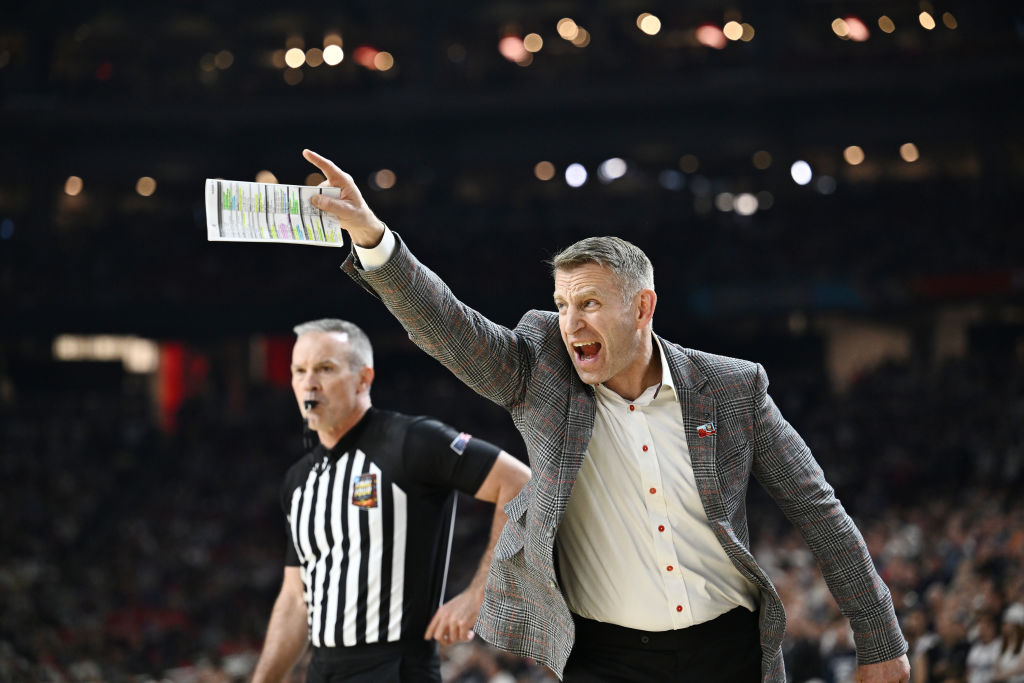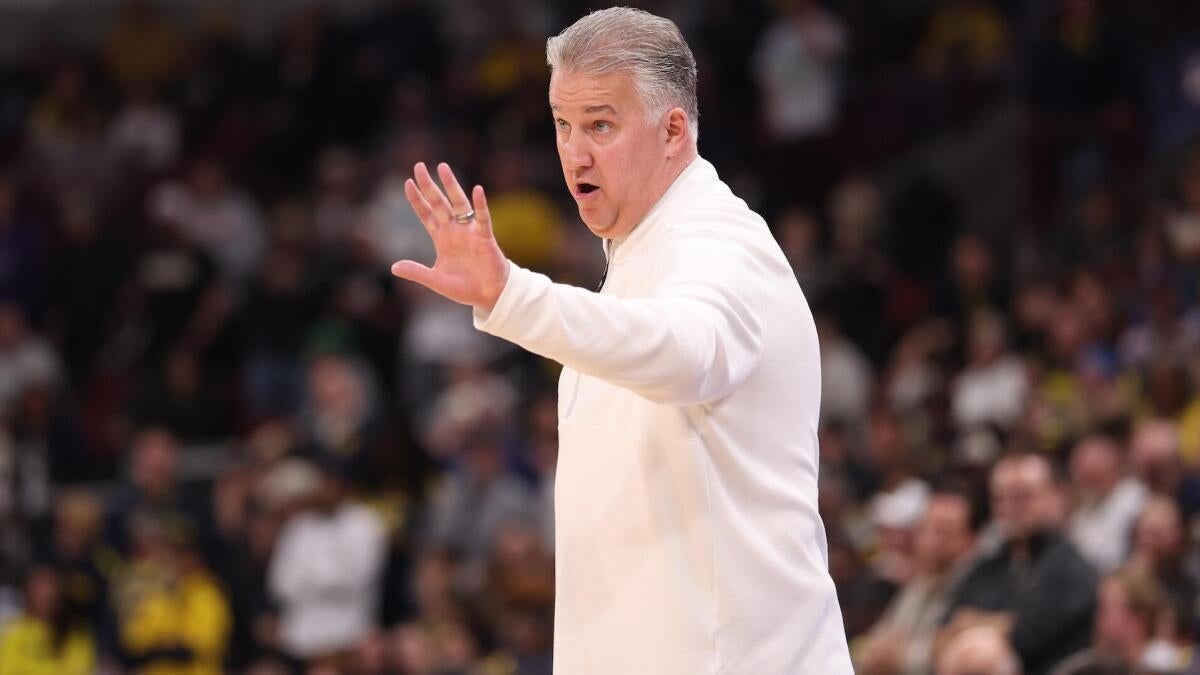
Nate Oats and Matt Painter Address Mid-Major Scheduling Complaints
The ongoing debate over scheduling practices in college basketball has intensified, particularly in light of recent comments from coaches of mid-major programs. Notably, Alabama’s Nate Oats and Purdue’s Matt Painter have pushed back against claims that high-major teams are avoiding matchups with lower-tier opponents, a narrative that has gained traction as teams prepare for March Madness.
At the center of this discussion are the remarks made by Travis Steele, coach of Miami , who expressed frustration over his team’s inability to secure games against high-major programs. He argued that these matchups are essential for mid-majors to enhance their NCAA Tournament resumes, especially if they do not win their conference tournaments. Painter responded by emphasizing that high-major teams do play mid-majors, countering the notion that they are entirely ducking such games.
Painter’s perspective sheds light on the complexities of scheduling in college basketball. He pointed out that while mid-major coaches claim they cannot find high-major opponents, teams like Akron and Kent State have proven competitive in their leagues and have been scheduled by power programs, including his own. This suggests that the issue may not be as clear-cut as some mid-major coaches portray.
Nate Oats echoed Painter’s sentiments, arguing that the scheduling challenges faced by high-major teams are often overlooked. With a limited number of non-conference games available each season, coaches must balance their desire for competitive matchups with existing commitments to marquee events and conference obligations. Oats’ comments highlight the logistical realities that complicate the scheduling landscape.
The friction between high-major and mid-major programs is not new, but this year’s dialogue has become particularly pronounced as teams like Miami have made headlines for their unexpected success. As they inch closer to March Madness, the scrutiny over their scheduling practices has only amplified, prompting responses from established coaches like Oats and Painter.
While the debate continues, it remains clear that both sides have valid points. High-major programs face their own set of challenges when it comes to scheduling, while mid-major teams are eager for opportunities to prove themselves on a larger stage. The conversation around these issues is likely to persist, especially as teams prepare for the high stakes of tournament play.
As the NCAA Tournament approaches, the dynamics of college basketball scheduling will undoubtedly remain a hot topic, with implications for teams across the spectrum. The ongoing discussions led by figures like Oats and Painter illustrate the complexities of the sport, and how perceptions can shape the narratives surrounding competition at all levels.