Markwayne Mullin Confirmed as Secretary of Homeland Security
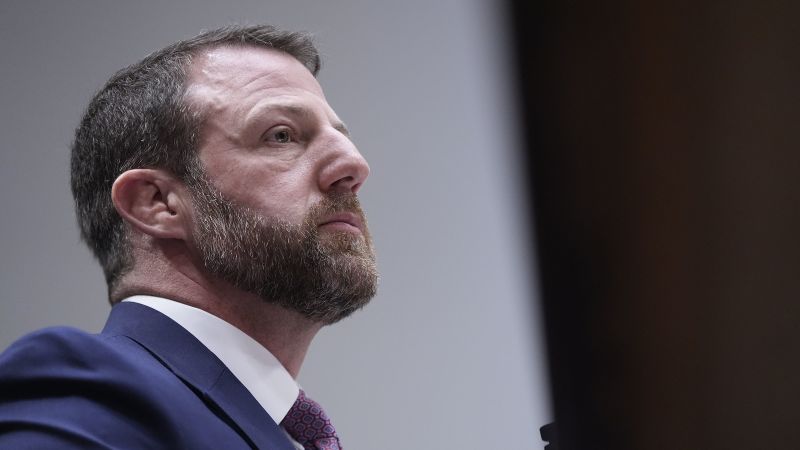
In a significant political development, the Senate has confirmed Senator Markwayne Mullin from Oklahoma to serve as the next Secretary of Homeland Security. This decision comes amid ongoing challenges within the department, including a government shutdown that has left many employees without pay. Mullin’s confirmation marks a pivotal moment, placing him at the forefront of immigration enforcement, a key priority for the Trump administration.
The confirmation vote, which concluded with a tally of 54 to 45, saw bipartisan participation, though not without contention. Notably, Republican Senator Rand Paul voted against Mullin, while two Democratic senators, John Fetterman and Martin Heinrich, supported his nomination. Mullin’s appointment follows the departure of Kristi Noem, who faced scrutiny during her tenure.
During his confirmation hearing, Mullin expressed a strong commitment to addressing the challenges facing the Department of Homeland Security cDHSc. He emphasized the need for swift funding to stabilize the agency, which has been operating under a cloud of uncertainty due to the shutdown that began when funding lapsed on February 14. Mullin stated, “I’m not scared of a challenge. I am scared of failure,” highlighting his determination to lead effectively.
As he steps into this role, Mullin faces the daunting task of navigating a department in turmoil. The ongoing shutdown has drawn attention to the need for reform in immigration enforcement practices, particularly following recent tragic incidents that have raised questions about the current procedures. Lawmakers have been debating necessary changes to ensure safety and accountability within the DHS.
Mullin’s leadership style is expected to differ from that of his predecessor. He has assured senators that he intends to foster a more transparent and proactive approach to the department’s responsibilities. “My goal in six months is that we’re not in the lead story every single day,” he stated, aiming to shift the narrative surrounding the DHS to one of competence and public service.
The confirmation of Mullin has generated substantial public interest, reflecting the critical nature of the issues at hand. As the new secretary, he will not only have to manage the complexities of immigration policy but also restore confidence in an agency that plays a vital role in national security.
With these challenges ahead, the eyes of both supporters and critics will be closely watching Mullin’s actions as he embarks on this new chapter in his political career. His ability to navigate the current landscape will be crucial in determining the future direction of the Department of Homeland Security.