
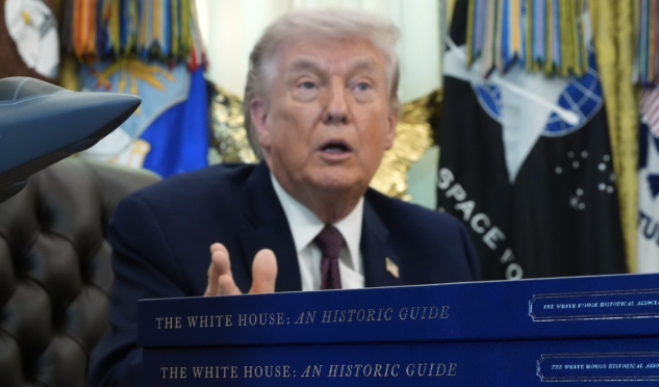
A sudden shift in tone from the White House is drawing attention across global markets, as Donald Trump suggested the United States could step away from its involvement in the Iran conflict within weeks.
Speaking during a press event, Trump indicated that the timeline for ending military operations could be much shorter than expected, mentioning a window of “two to three weeks.” The remark comes after more than a month of escalating tensions following joint U.S. and Israeli strikes on Tehran.
What stood out wasn’t just the timeline, but the framing. Trump suggested that a formal agreement with Iran may not even be necessary to end the conflict, signaling the possibility of a unilateral decision to withdraw. In his view, once key strategic objectives — particularly limiting Iran’s nuclear capabilities — are met, there may be little reason to prolong the situation.
That stance carries immediate implications beyond the region. One of the most closely watched factors is oil. Trump directly linked a potential withdrawal to a sharp drop in global oil prices, arguing that simply stepping away from the conflict could ease current pressure on energy markets.
At the moment, prices remain elevated. U.S. gasoline has climbed to levels not seen since 2022, reflecting ongoing uncertainty tied to supply routes and regional instability.
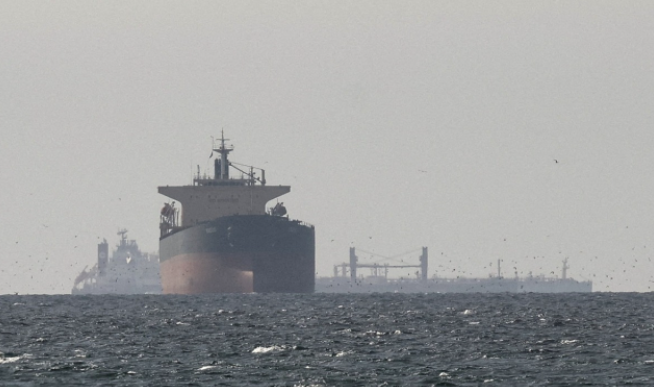
◇ Oil tankers passing near the Strait of Hormuz
The Strait of Hormuz continues to sit at the center of that uncertainty. As a critical passage for global energy shipments, any disruption there has an outsized effect on pricing. While Iran’s actions around the strait have contributed to volatility, Trump appeared to distance the U.S. from direct responsibility for securing the route, suggesting other nations could take on that role if needed.
That position hints at a broader shift in how the U.S. might approach the situation. Instead of managing long-term stability in the region, the focus appears to be on achieving specific goals and then stepping back, even if some underlying risks remain unresolved.
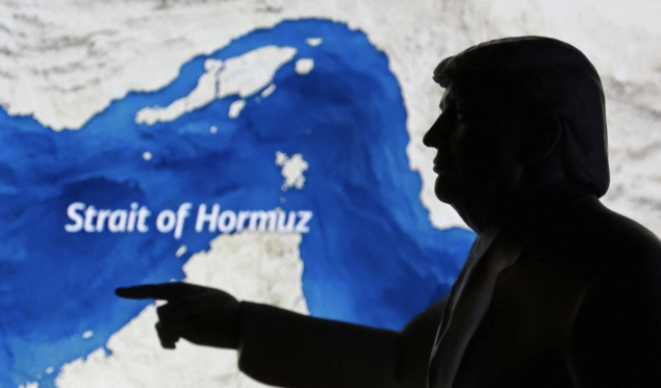
◇ Trump and the Strait of Hormuz discussion
There are also signals that the political landscape inside Iran may be changing, at least from Washington’s perspective. Trump pointed to leadership changes and described the current negotiating side as more “rational” than before, implying that internal shifts could make a prolonged conflict less necessary.
Still, uncertainty remains high. Officials have warned that the coming days could be critical, and further military action is still on the table if negotiations fail to move forward. At the same time, the possibility of a rapid de-escalation is now firmly in view.
For global markets, the situation is less about a single announcement and more about what it represents. If the U.S. does move toward a quick exit, it could reshape expectations not just for oil, but for how geopolitical risks are priced in the near term.
The next signal will likely come from Trump’s planned national address, where more concrete details about the timeline — and the conditions behind it — are expected to emerge.