
Eating healthy is often described as something simple, but for many people, it rarely feels that way.
There’s usually a moment where the idea of “eating better” turns into something overwhelming. It starts to sound like a complete lifestyle change—cutting out favorite foods, following strict plans, or constantly thinking about what should or shouldn’t be eaten. That pressure alone is often enough to make people give up before they even begin.
But in reality, most sustainable habits don’t start with big decisions. They begin with small adjustments that feel almost too simple to matter.
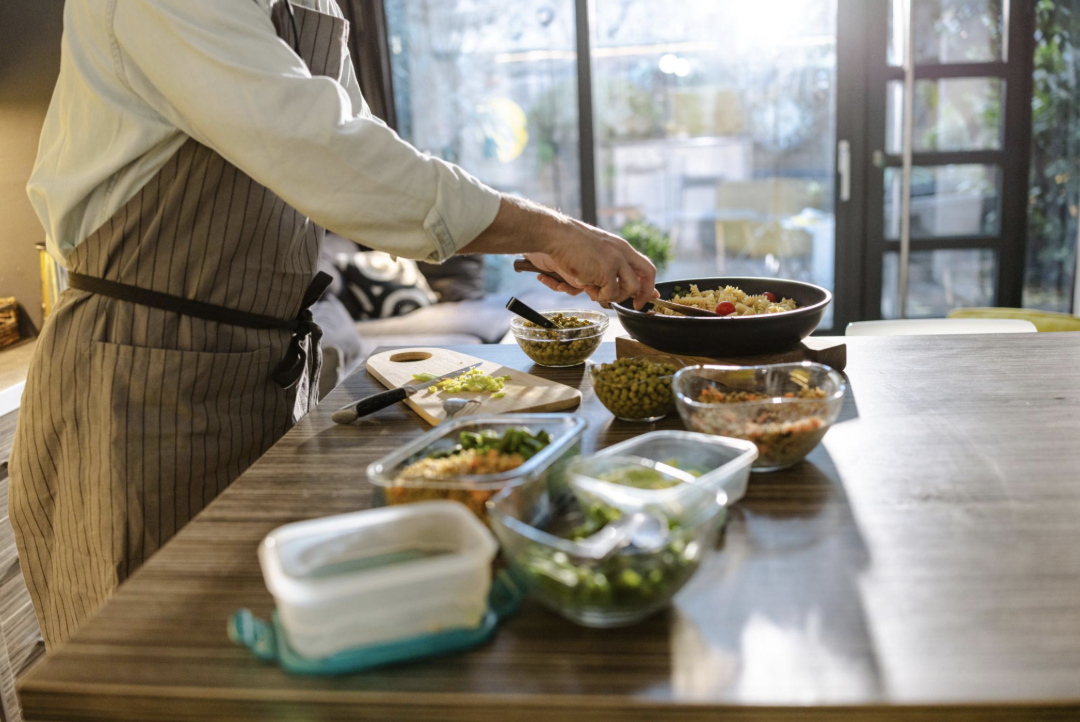
One of the most overlooked changes is simply making meals more balanced, not perfect. Instead of focusing on what needs to be removed, it can be more effective to think about what can be added. A bit more protein, a few vegetables, or even just choosing something slightly less processed can already shift the overall pattern.
It doesn’t have to look like a completely different diet. It can look almost the same—just a little more intentional.
Another part that quietly affects eating habits is pace.
Many people eat quickly without noticing. Meals become something to finish rather than something to experience. Slowing down, even slightly, changes how the body responds. It becomes easier to recognize when you’re full, and food starts to feel more satisfying instead of just filling.
It’s not about eating less. It’s about eating with more awareness.
Consistency also matters more than intensity.
A single “perfect” day of eating doesn’t really change anything long-term. What actually makes a difference is what happens most of the time. Repeating small, reasonable choices every day builds a pattern that feels natural, rather than forced.
That’s why overly strict approaches tend to fail. They rely too much on motivation, and motivation doesn’t stay constant. Habits, on the other hand, require less effort once they’re established.
There’s also a mental side that often gets ignored.

When food is divided too strictly into “good” and “bad,” it creates unnecessary tension. People either feel restricted or guilty, and both tend to lead back to the same cycle. A more flexible approach—where nothing is completely off-limits—usually works better over time.
It allows room for real life.
In the end, eating better isn’t really about following a perfect system. It’s about building something that fits into everyday life without constant effort.
Small changes, repeated consistently, tend to last longer than any strict plan.
And once those changes settle in, eating healthy stops feeling like something you have to do—and starts feeling like something you naturally continue.