
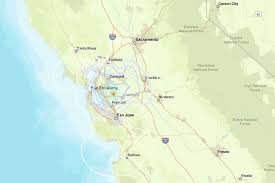
A sequence of tremors shook the Bay Area on a recent Saturday evening, centered in San Ramon, California. The series of earthquakes captured attention, with the initial quake striking around 6:32 p.m. The US Geological Survey initially gauged its magnitude at 3.9, with a depth of approximately 3.1 miles. However, after further evaluation, the USGS revised the magnitude slightly upward to 4.0. This adjustment underscores the complex and dynamic nature of seismic events and the continuous monitoring required to provide accurate information.
Shortly after the first quake, a second seismic event occurred in the same region at around 6:36 p.m. This earthquake registered at a magnitude of 2.8, adding to the intensity of the situation. Following these events, a third earthquake, measuring 3.0 in magnitude, hit the area around 6:53 p.m. The depth of this third quake was recorded at about 2.5 miles below the surface, contributing to the overall seismic activity in the region at the time.
The tremors were notable enough to cause noticeable shaking at the KTVU station in Oakland, while residents in San Francisco reported feeling the ground move as well. However, amidst the commotion and unease triggered by the quakes, there were no immediate reports of injuries or damages. This outcome highlights the resilience of the infrastructure in the area and the preparedness of residents in the face of such natural events.
Interestingly, these seismic events happened just a day after a different cluster of earthquakes occurred in San Ramon. The earlier quakes on Friday night were part of a series that extended over several consecutive days earlier in the week. The recurrence of such tremors underscores the geologically active nature of the region and the need for ongoing vigilance and readiness for seismic activity.
This recent seismic activity serves as a reminder of the importance of staying informed and prepared for unexpected natural events. In earthquake-prone regions like the Bay Area, it is crucial for individuals and communities to have emergency plans in place and to be aware of safety protocols to follow during and after an earthquake. Authorities and experts often stress the significance of securing heavy furniture, identifying safe spaces within buildings, and having emergency supply kits readily available.
As news of these earthquakes spread, various media outlets, including FOX Television Stations, provided coverage and updates to keep the public informed. The dissemination of timely and accurate information is vital in managing public awareness and response during such events. By staying informed through credible sources and heeding advice from experts, individuals can better navigate the uncertainties associated with seismic activity.
In conclusion, the recent earthquakes in San Ramon serve as a sobering reminder of the unpredictable forces of nature that shape our environment. While the immediate impact of these seismic events was limited, they underscore the ongoing need for preparedness and vigilance in earthquake-prone regions. By prioritizing safety, awareness, and community resilience, individuals can better mitigate the risks and challenges posed by such natural occurrences.