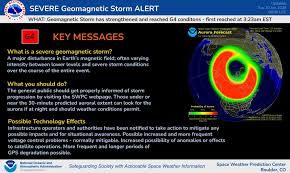
The Space Weather Prediction Center, a division of the National Oceanic and Atmospheric Administration cNOAAc, recently reported the occurrence of a severe G4 geomagnetic storm on Earth. According to updates from the center, the storm reached significant levels in the early morning hours, unleashing a dazzling display of the aurora borealis in various regions, including Utah.
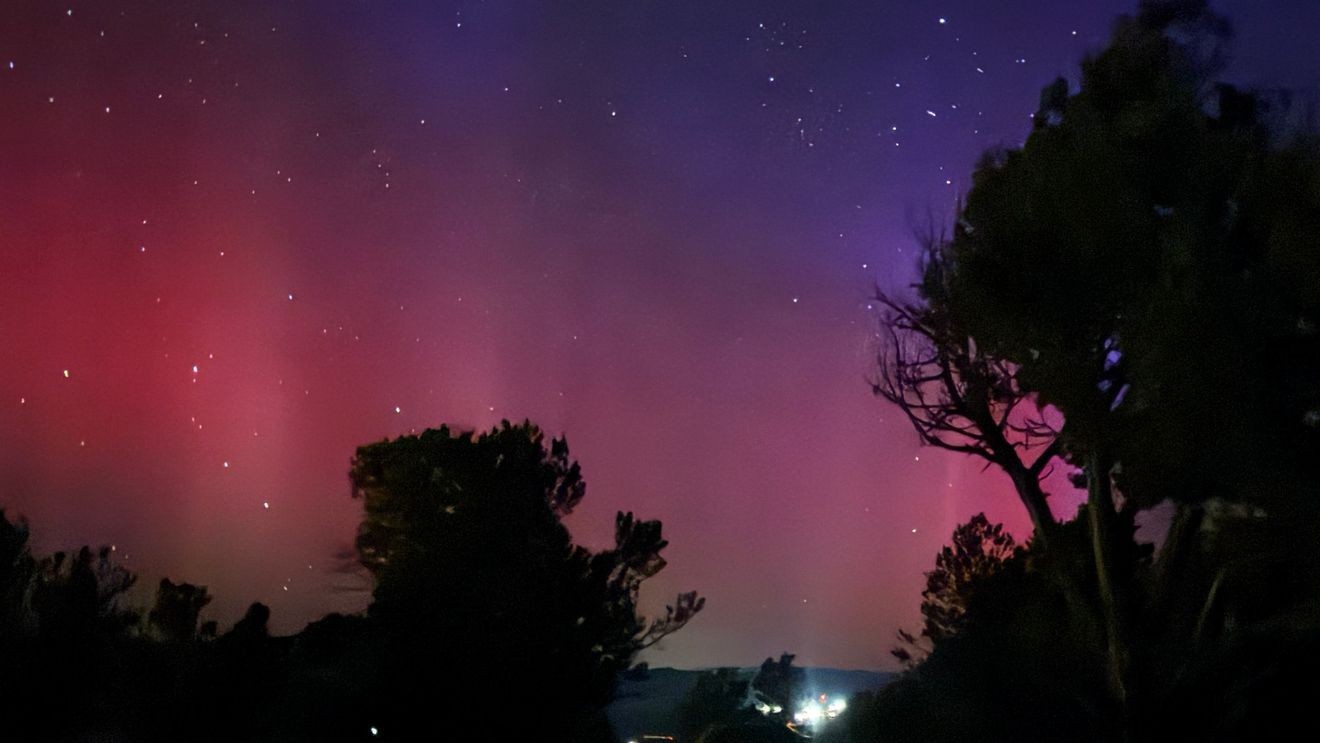
The aurora borealis, commonly known as the northern lights, painted the night sky with vivid hues of green, red, and purple in Utah, captivating onlookers with its mesmerizing beauty. This celestial phenomenon, caused by strong geomagnetic storms, descended further south than usual, allowing residents of Utah, even as far as Parowan, to catch a glimpse of the enchanting display on the horizon.
This event marked another instance of powerful solar activity impacting Earth, triggering not only visual spectacles in the sky but also causing disruptions in GPS signals for aircraft flying over the affected regions. The Space Weather Prediction Center, known for monitoring and analyzing space weather events, highlighted the severity of the solar radiation storm that engulfed the planet on that particular day, classifying it as the most significant event of its kind in over two decades.
Solar radiation storms pose various risks and implications for space missions, aviation, satellite operations, and even technology on the ground. Historical data from similar events, such as the Halloween storms of October 2003, serve as reminders of the potential damages and disruptions that can occur when Earth is bombarded by intense solar radiation.
NASA, airlines, the Federal Aviation Administration cFAAc, and other critical infrastructure operators were promptly notified by the SWPC to ensure necessary precautions were taken in response to the storm. The safety of astronauts aboard the International Space Station, as well as passengers on polar flights, becomes a concern during such events due to elevated radiation exposure risks.
In addition to impacting human activities in space and on Earth, solar radiation storms can affect satellite communications, navigation systems, and power grids. The geomagnetic storms induced by coronal mass ejections cCMEsc from the sun's outer atmosphere can disrupt Earth's magnetic field, leading to potential disturbances in the electric power grid and other critical infrastructure.
Despite the potential risks associated with solar storms, efforts are made to mitigate their impact on technology and infrastructure. For instance, during the May 2024 geomagnetic storm, satellite operators and power grid managers successfully navigated the challenges posed by the intense geomagnetic currents, ensuring minimal disruptions to everyday life.
While the recent geomagnetic storm had the potential to affect the electric power grid, experts were optimistic that widespread technology impacts for the general public were unlikely to occur. Ryan French, a solar physicist, reassured that satellite operators were proactive in safeguarding their systems, minimizing the chances of significant disruptions during the event.
The mesmerizing auroras, triggered by increased solar activity and geomagnetic storms, continue to captivate individuals around the world with their ethereal beauty. Although the recent storm did not result in widespread colorful displays over the US, stunning auroras were observed in Europe, showcasing the magnificence of nature's light show.
As the sun remains active, with the possibility of further flares from sunspot regions, experts caution that additional Earth-directed eruptions could occur in the coming days. These events, while awe-inspiring, also serve as reminders of the intricate relationship between the sun, Earth, and the mesmerizing phenomena that unfold in our planet's skies.
The study of space weather and its impacts on Earth continues to be a critical area of research, as our reliance on technology and infrastructure susceptible to solar disturbances grows. By monitoring and forecasting space weather events, organizations like the Space Weather Prediction Center play a crucial role in enhancing our understanding of these celestial phenomena and preparing for their potential effects on our interconnected world.