TechCrunch Mobility is back with the latest updates on the future of transportation. This week, Tesla made some significant moves in the automated driving space, signaling its commitment to advancing autonomous technology. The company introduced robotaxi rides in Austin without human safety drivers in the front seat, a move that underscores its progress in self-driving capabilities. Despite not all vehicles being fully driverless and having a chase vehicle behind, this development hints at Tesla's broader ramp-up towards autonomous driving.
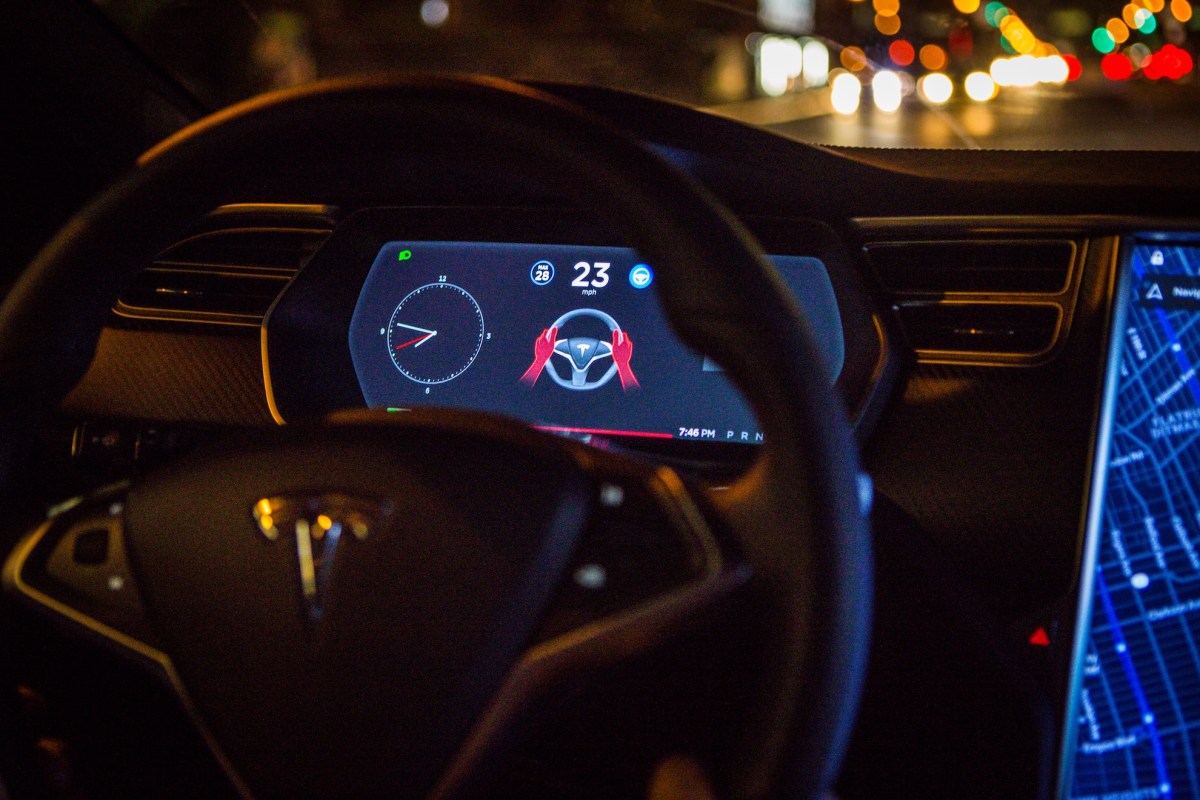
Moreover, Tesla made a bold decision to discontinue Autopilot, its advanced driver-assistance system, a move that aligns with its shift towards focusing on Full Self-Driving cFSDc technology. This decision came shortly after Tesla announced the end of the $8,000 fee for FSD software, transitioning all customers to a monthly subscription model. These strategic moves not only aim to boost revenue from FSD but also position Tesla as an AI and robotics company.
However, Tesla's decision to kill off Autopilot comes amidst regulatory challenges in California, where the company faces a 30-day suspension of its manufacturing and dealer licenses. This suspension was prompted by a court ruling that Tesla engaged in deceptive marketing practices related to Autopilot and FSD capabilities. By dropping the Autopilot name while emphasizing FSD, Tesla may be trying to address regulatory concerns while maintaining its position in the autonomous driving sector.
In other news, Zipline, known for its autonomous drone-delivery services, secured $600 million in funding to support its expansion plans across the United States. The company, valued at $7.6 billion, aims to bring its drone delivery services to cities like Houston and Phoenix with further expansion on the horizon. This funding injection highlights the growing interest and investment in autonomous delivery solutions like Zipline's.
Moving on to recent funding rounds in the tech space, ABZ Innovation, a European maker of heavy-duty drones, raised $8.2 million, while Ethernovia, a San Jose-based startup specializing in Ethernet-based systems for autonomous vehicles, secured $90 million in a Series B round. Serve Robotics, a sidewalk delivery robot company, made headlines with its acquisition of Diligent Robotics, further blurring the lines between autonomous vehicle technology and robotics.
Additionally, TrueCar founder Scott Painter reacquired the company in a $227 million deal, signaling a significant shift for the company as it moves away from being publicly traded. Meanwhile, Chinese automaker Geely revealed its five-year plan, including ambitious goals for robotaxis in major cities in China by 2030 and potential expansion beyond the country in the future.
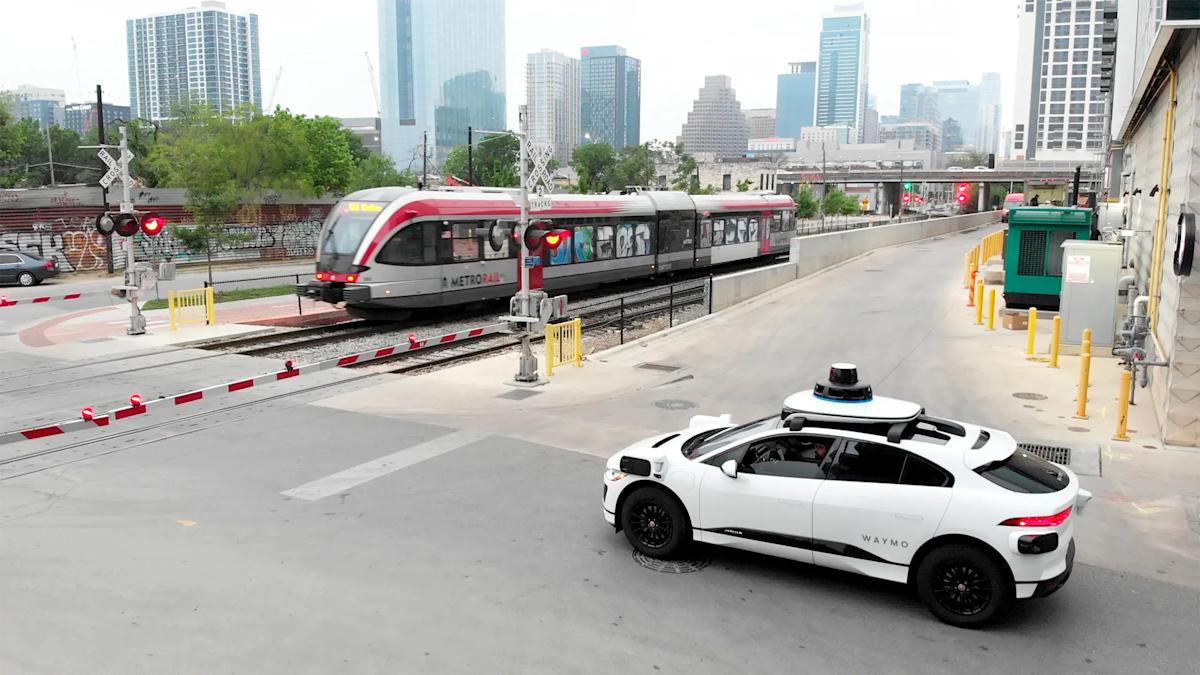
As the autonomous driving landscape continues to evolve, the spotlight remains on companies like Waymo, which faced an investigation from the National Transportation Safety Board for its robotaxis allegedly passing school buses in Austin, Texas. The NTSB probe raises questions about the safety protocols and interactions of autonomous vehicles with school buses, underscoring the ongoing challenges in advancing self-driving technology while ensuring road safety.
Overall, the developments in autonomous driving technology and the expansion of companies like Zipline underscore the rapid evolution of transportation solutions. As regulatory scrutiny intensifies, companies in the autonomous space will need to navigate a complex landscape while pushing boundaries in innovation and safety protocols. Keep an eye on these trends as the future of transportation continues to unfold.