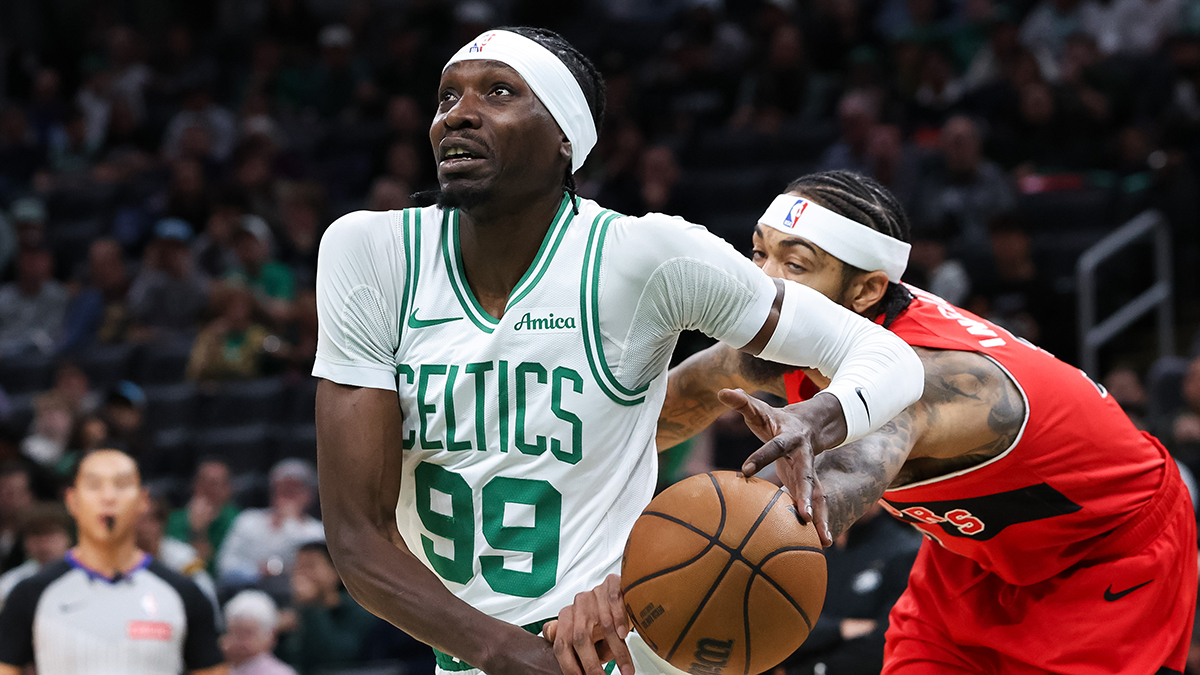
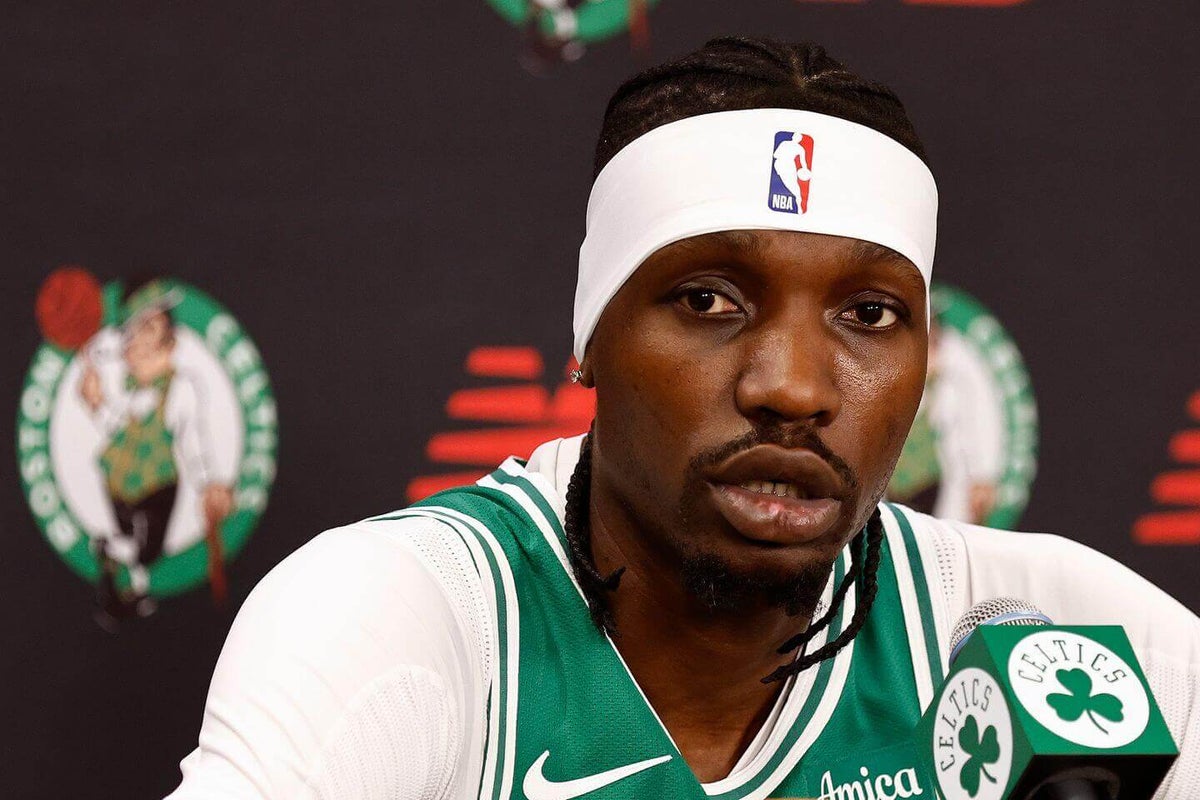
The Boston Celtics made a strategic move by trading Chris Boucher to the Utah Jazz to alleviate some of their luxury tax burdens, a team source confirmed. This transaction includes the Celtics transferring a 2027 second-round pick originally from the Denver Nuggets to the Jazz as part of the deal to absorb Boucher's salary.
Financially, shedding Boucher’s $3.3 million salary will save the Celtics a substantial amount, providing some relief in terms of luxury tax obligations. Given Boucher's limited playing time and role within the team, the decision to trade him seemed straightforward and necessary to better manage the team's finances.
Having traded Boucher, the Celtics find themselves just over $3.6 million above the luxury tax threshold. However, the team must consider the cost of filling Boucher’s now vacant 14th roster spot, which is estimated to add around $600,000 to their expenses.
While Boucher, 33, initially had a spot in the rotation after joining the Celtics as a free agent, his playing time dwindled quickly leading up to the trade. Despite his early-season contributions, he found himself on the sidelines, even losing minutes to lesser-known players, such as rookie two-way contract holder Amari Williams.
Looking ahead, the Celtics are expected to explore options to fill the void left by Boucher. With the recent acquisition of Nikola Vucevic earlier in the week, the team has added more depth to their frontcourt but may still consider bolstering their big man rotation further to ensure roster balance and flexibility.
On the Jazz's end, the acquisition of Boucher is part of their active involvement in the trade market leading up to the deadline, with notable moves including obtaining Jaren Jackson Jr. from the Memphis Grizzlies. Utah has shown a willingness to absorb contracts to secure valuable draft assets, as seen in their deals with the Cleveland Cavaliers and Lonzo Ball in addition to the Celtics trade.
The recent trade activities within the NBA showcase teams' strategic maneuvers to enhance their competitive edge, manage financial constraints, and position themselves for success in the current season and beyond. Teams are evaluating their rosters, making calculated decisions, and exploring opportunities to optimize their chances in a highly competitive league.
In conclusion, the trade involving Chris Boucher highlights the intricate balance that NBA teams must strike between on-court performance, financial considerations, and long-term planning. As the trade deadline approaches, fans can expect more significant moves as teams position themselves for playoff runs and future success in the ever-evolving landscape of professional basketball.