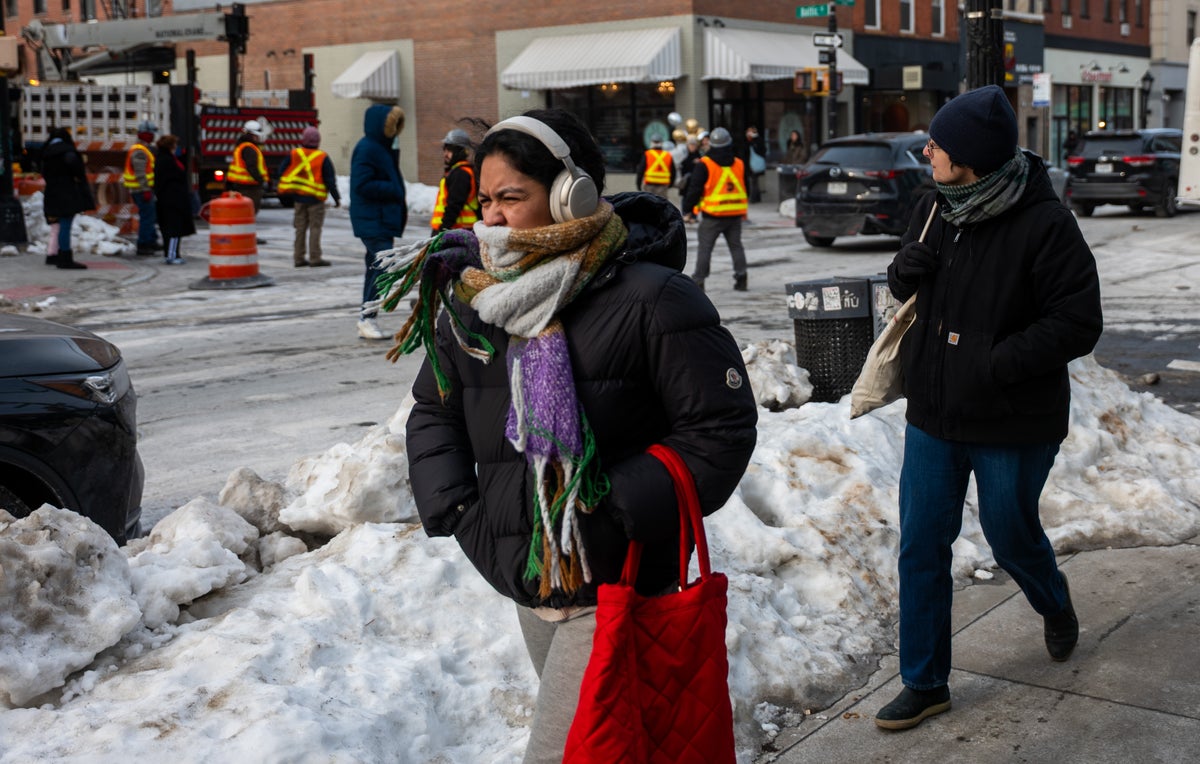
The winter of 2026 has brought about extreme weather patterns in the United States, with the Eastern region experiencing frigid temperatures while the West has seen record-breaking warmth. This stark difference in weather phenomena has left many people wondering about the underlying reasons for such disparities.
A key player in understanding these weather patterns is the polar vortex, a swirling mass of cold, dense air that typically resides over the Arctic region. When the polar vortex weakens, it can lead to deviations in its usual circular motion, causing cold air to dip southward while warmer air is pulled northward. This deviation has been particularly pronounced in the Western U.S., resulting in unseasonably warm temperatures in areas that would typically be blanketed in snow.
Climate scientist Daniel Swain of the California Institute for Water Resources explains that these atmospheric patterns are influenced by various factors, including the geographic features of the U.S. For instance, the presence of the Rockies and the contrast between the Pacific Ocean and the landmass create conditions that favor the formation of northward and southward bends in the jet stream, leading to the observed weather extremes.
One notable aspect contributing to these unusual weather patterns is the rapid warming of the Arctic region. While researchers are still investigating the extent of this impact on the weakening of the polar vortex, the overall trend of Arctic warming is likely playing a role in altering long-standing weather patterns.
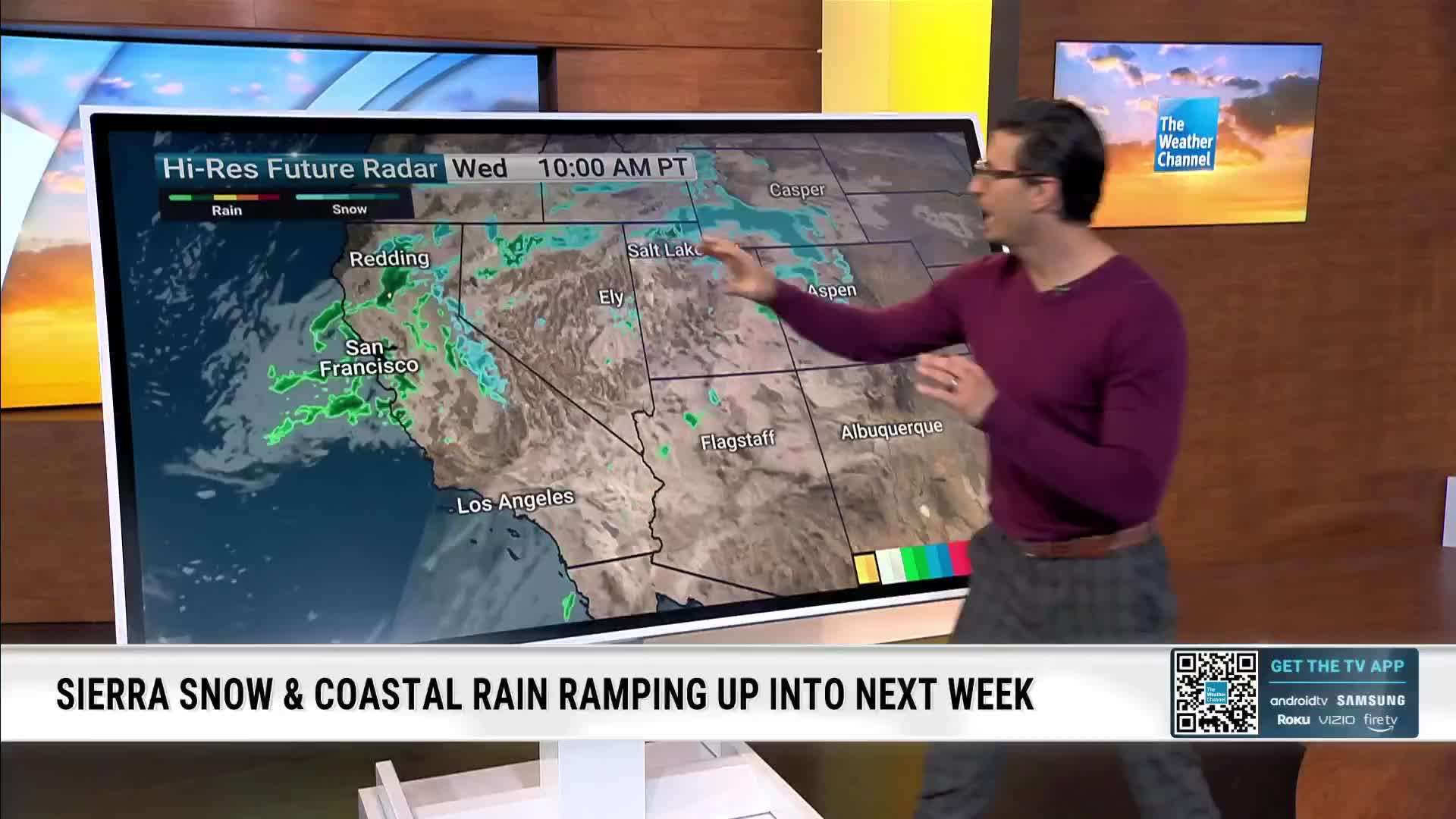
As the winter continues to unfold, the U.S. is poised for a weather shift that could bring relief to the Eastern region while potentially causing disruptions in the West. The upcoming transition in weather patterns may be attributed to subtle atmospheric changes, possibly influenced by the positioning of storms in the tropical Pacific. This shift is expected to bring more seasonable temperatures to the East and cooler, wetter conditions to the West, offering some respite from the extreme weather experienced thus far.
While the cold conditions in the East have led to travel disruptions, power outages, and fatalities, the warm winter in the West may also have lasting consequences. The prolonged warmth could exacerbate drought conditions, lead to water shortages, and increase the risk of wildfires in the coming months. These delayed effects highlight the far-reaching impacts of changing climate patterns on various regions.
As researchers continue to monitor and study these weather phenomena, the importance of understanding the interconnectedness of our climate system becomes increasingly evident. By delving into the complex interactions between atmospheric dynamics, geographic features, and global climate trends, we can gain insights into how these factors shape the weather patterns we experience.
In conclusion, the contrasting weather patterns across the U.S. this winter serve as a reminder of the intricate and evolving nature of our climate system. By unraveling the mechanisms driving these weather anomalies, we can better prepare for the challenges posed by extreme weather events and work towards mitigating the impacts of a changing climate on society and the environment.