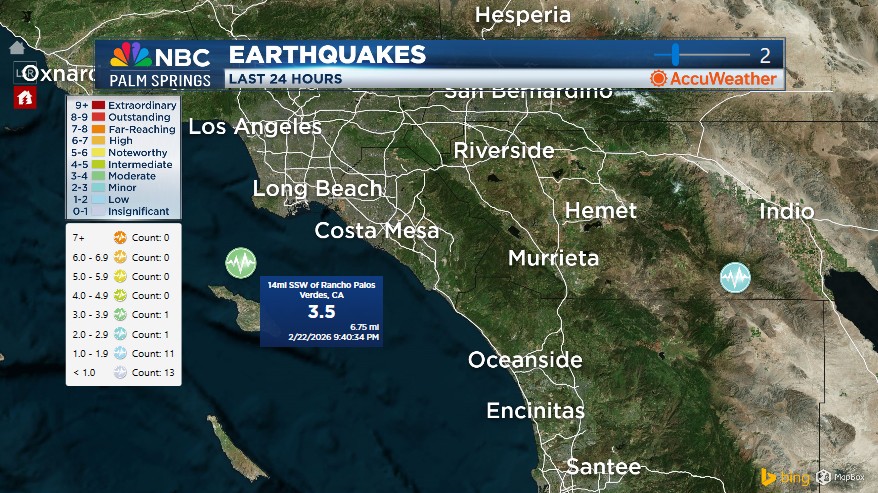
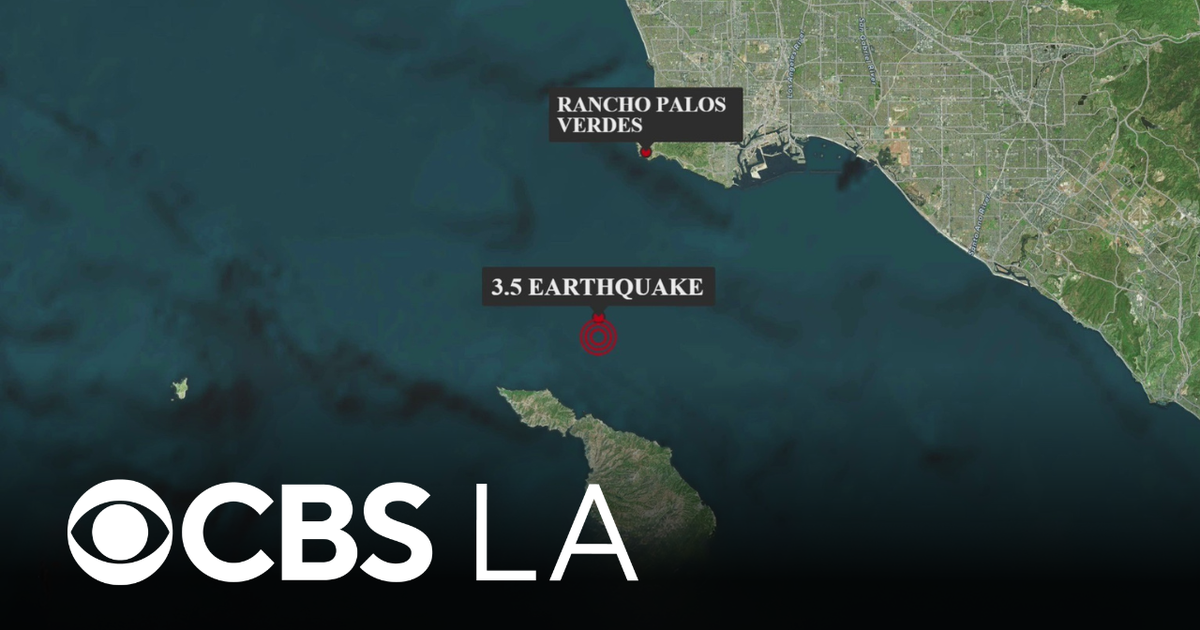
An earthquake with an initial magnitude of 3.5 rattled the vicinity of Rancho Palos Verdes on Sunday, February 22. The earthquake's epicenter was located in the Pacific Ocean, approximately 14 miles south southwest of Rancho Palos Verdes, around 9:40 p.m. This seismic event, with a depth of around 6.7 miles, occurred to the north of Catalina Island. Following the tremor, reports began to flood in regarding the effects felt by residents in various areas.
According to data from the U.S. Geological Survey cUSGSc and its Did You Feel It? app, individuals noted feeling the quake around 10:15 p.m. Along the Orange County coast, sensations from the earthquake were reported, spanning southward up to Huntington Beach and northward into Long Beach, Inglewood, and Los Angeles. Fortunately, despite the earthquake's intensity, there were no immediate reports of damage within the Rancho Palos Verdes region.
The earthquake serves as a stark reminder of the unpredictability and power of natural phenomena, particularly in seismically active regions. Being situated near tectonic plate boundaries, California is prone to earthquakes of varying magnitudes. The state's geological makeup and position along fault lines increase the likelihood of seismic activity.
Rancho Palos Verdes, a picturesque coastal city situated in Southern California, is known for its stunning ocean views and affluent neighborhoods. The earthquake, though relatively mild, triggered concern among residents and local authorities. Preparedness and awareness are crucial elements in mitigating the impact of such events, prompting a renewed focus on earthquake readiness measures.
Events like earthquakes underscore the importance of robust infrastructure and emergency response protocols. Local governments, in partnership with organizations such as the USGS, continually monitor seismic activity to provide timely alerts and ensure public safety. The rapid dissemination of information regarding the earthquake's magnitude, location, and potential impact enables individuals to take necessary precautions and respond effectively.
In the aftermath of the Rancho Palos Verdes earthquake, the community remains vigilant, monitoring for any potential aftershocks or related seismic activity. Earthquakes may occur with little warning, emphasizing the need for ongoing preparedness efforts at both individual and community levels. By staying informed, developing emergency plans, and participating in drills, residents can enhance their resilience in the face of natural disasters.
As advancements in technology and communication enable real-time reporting and monitoring of seismic events, the ability to assess and respond to earthquakes becomes more refined. The availability of tools such as the USGS Did You Feel It? app empowers individuals to contribute valuable data on ground shaking, aiding in the refinement of earthquake intensity maps and response strategies.
The earthquake near Rancho Palos Verdes serves as a reminder of California's dynamic geology and the constant threat of seismic activity. While this event did not result in significant damage, it underscores the importance of earthquake preparedness and community resilience. By leveraging scientific research, technological innovation, and public awareness, individuals and authorities can work together to minimize the impact of earthquakes and enhance overall safety and resilience in earthquake-prone regions like Southern California.