Rhode Island has been hit by a historical snowstorm that has shattered previous records and left the state grappling with the aftermath of massive snowfall. The Blizzard of 2026 has ravaged the region, with Rhode Island T.F. Green International Airport bearing witness to a staggering 37.9 inches of snow by 7 p.m. on Monday, Feb. 23, as reported by the National Weather Service. This snowfall surpasses the previous record set by the Blizzard of 1978, which deposited 28.6 inches over February 6-7 of that year. The sheer volume of snow that blanketed the area, especially the 35.5 inches that fell on Monday alone, has not only broken records but also set new benchmarks for snow accumulation in Rhode Island.
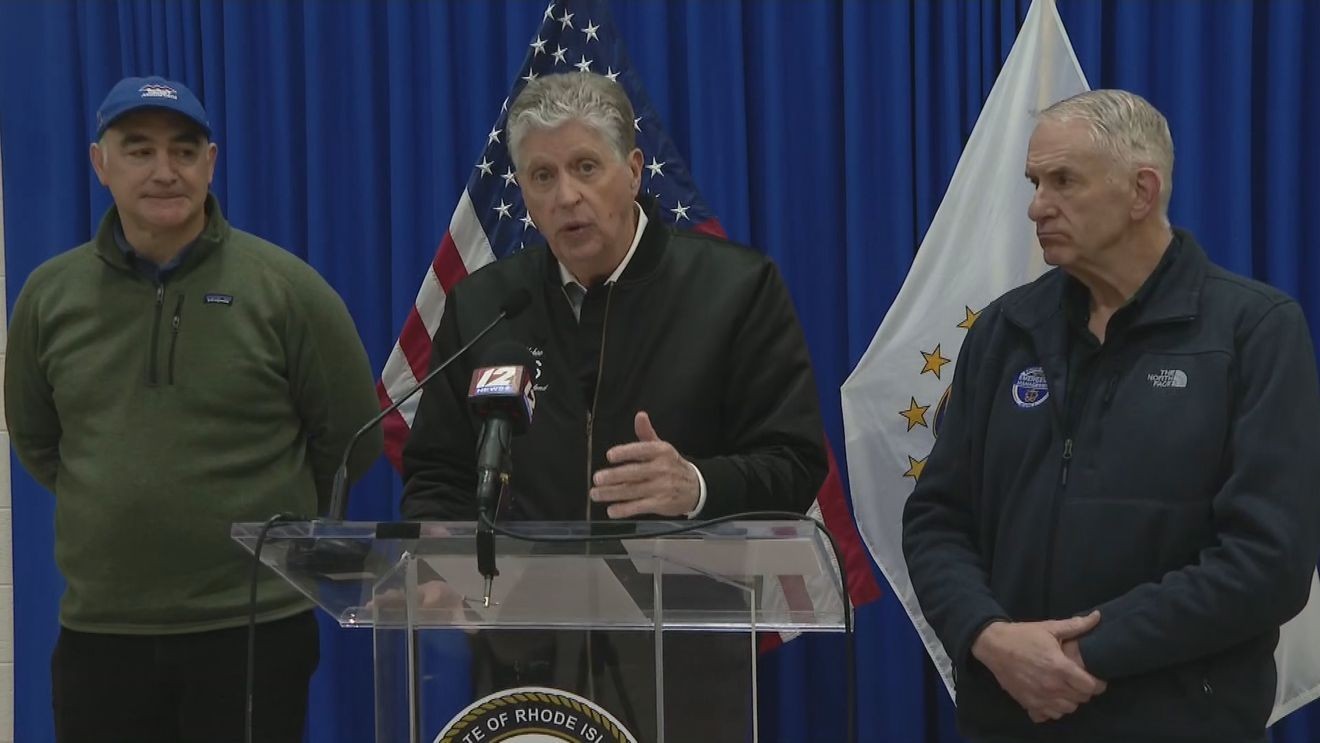
Governor Dan McKee has taken swift action in response to the Blizzard of 2026, declaring a state of emergency and implementing a travel ban that will remain in place until Tuesday morning. The governor emphasized the critical importance of safety and urged residents to stay off the roads to facilitate the work of plow crews tasked with clearing the snow-choked streets. The impact of the blizzard has been profound, leading to power outages affecting approximately 50,000 Rhode Island Energy customers as of 10 a.m.
Rhode Island Energy President Greg Cornett has warned that the restoration process may be protracted, with estimates suggesting that it could take up to 72 hours to fully recover power for all affected customers. The turbulent weather conditions, characterized by extreme winds, have hampered restoration efforts, compelling crews to prioritize addressing 911 and public safety issues. The logistical challenges posed by the blizzard have been exacerbated by significant road blockages and impassable routes, making it difficult for emergency services and plow trucks to navigate the snow-clogged landscape.
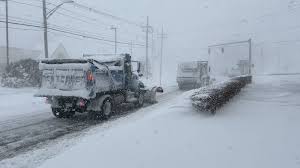
Efforts to mitigate the fallout from the Blizzard of 2026 have been underway, with Rhode Island's Department of Transportation mobilizing a fleet of approximately 500 plow trucks to clear the roads. Interim Director Robert Rocchio highlighted the formidable obstacles faced by the cleanup crews, ranging from poor visibility to downed trees and abandoned vehicles impeding their progress. The severity of the storm, qualified as a blizzard rather than a typical snowstorm, has left traffic infrastructure compromised, with traffic cameras obscured by snow and traffic signals rendered inoperative due to downed wires.
The Rhode Island National Guard has been activated to provide emergency response capabilities in the wake of the blizzard, underscoring the seriousness of the situation. Governor McKee, alongside other state officials, has been coordinating response efforts from the Rhode Island Emergency Management Agency headquarters in Cranston. The state of emergency and travel ban, initially declared in anticipation of the storm's impact, will remain enforced until all safety concerns have been adequately addressed.
As the state grapples with the aftermath of one of the most severe snowstorms in its history, there is a concerted effort to restore normalcy and ensure the safety and well-being of residents. The resilience and preparedness of Rhode Island's emergency response teams have been tested, with a multi-faceted approach required to address the diverse challenges posed by the Blizzard of 2026. The process of recovery and reconstruction following this unprecedented meteorological event is expected to be arduous and prolonged, underscoring the importance of community solidarity and coordinated efforts to overcome the adversity wrought by nature's fury.