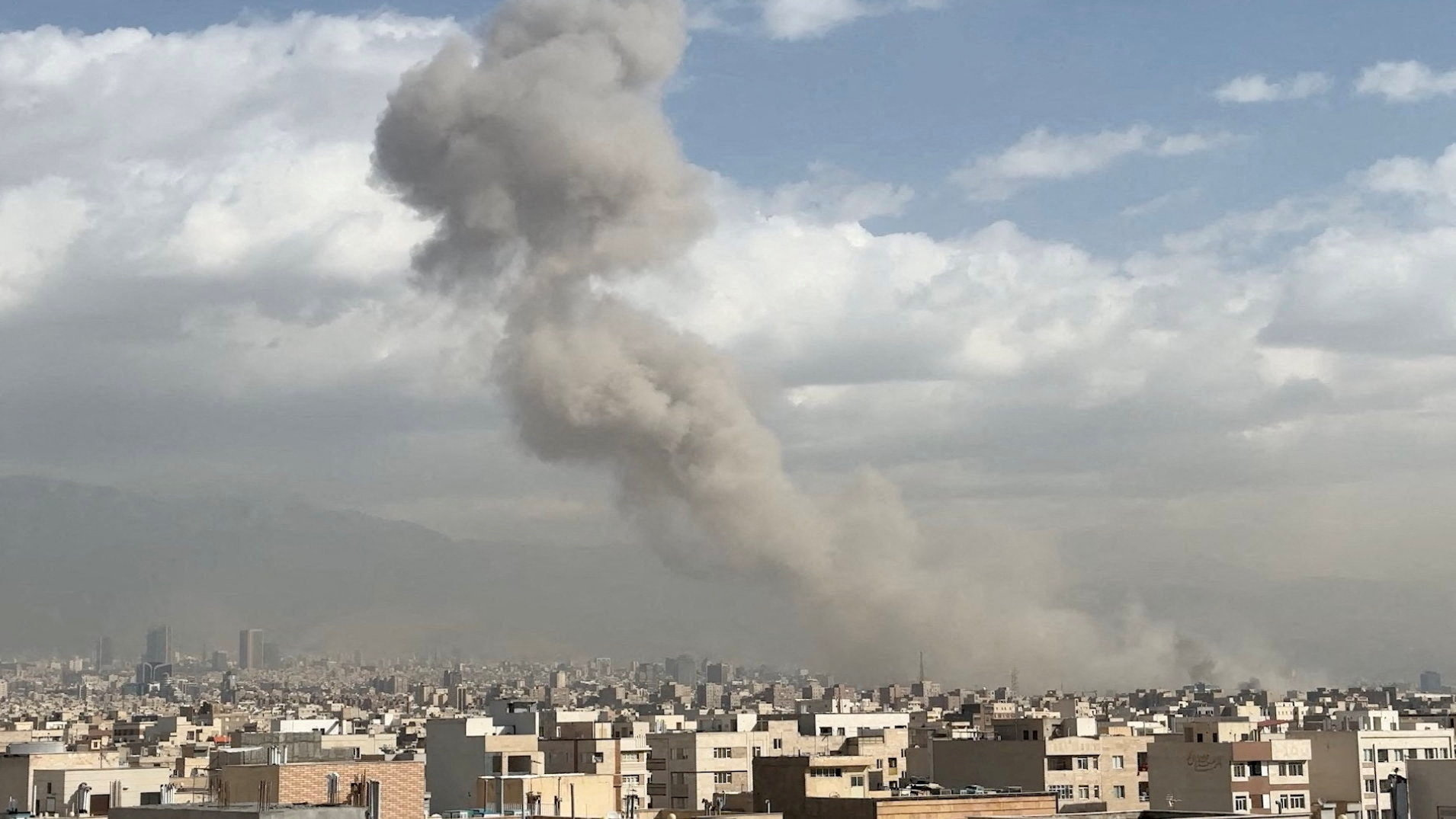
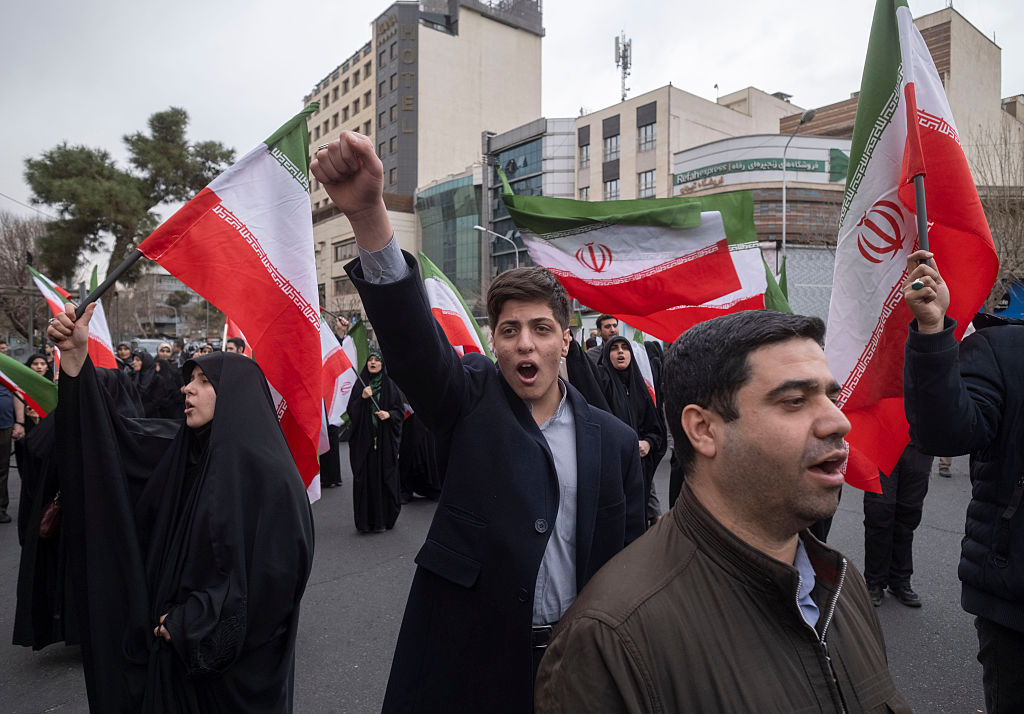
On February 28, 2026, the world witnessed a historic moment as the United States and Israel launched a joint military operation targeting Iran. The operation, named Epic Fury by President Donald Trump, aimed to not only cripple Iran's military capabilities but also to bring about regime change in the country. The strikes hit key Iranian cities and strategic locations, signaling a new chapter in the longstanding tensions between these nations.
As news of the strikes spread, global leaders reacted with a mix of support, condemnation, and calls for restraint. Russia and China expressed solidarity with Iran, while countries like Canada, Australia, and Ukraine voiced support for the US and Israel's actions. The situation prompted urgent meetings among world leaders as they assessed the escalating conflict in the Middle East.
The European Union, through leaders like Prime Minister Keir Starmer, French President Emmanuel Macron, and German Chancellor Friedrich Merz, emphasized the need for negotiations and a peaceful resolution to the conflict. They condemned Iranian attacks in the region and called for a return to the negotiating table to address the root causes of the crisis.
The United Nations Secretary-General, António Guterres, condemned all military actions and called for an immediate cessation of hostilities to prevent a wider regional conflict. The UN Charter prohibits the threat of force against the political independence of any state, underscoring the importance of upholding international law in times of conflict.
As the situation unfolded, experts analyzed the significance and potential outcomes of the military operation. Nate Swanson highlighted the need to understand the objectives of the operation, while Jennifer Gavito assessed Iran's retaliatory signals and its impact on regional stability. Matthew Kroenig examined the risks and rewards of the campaign, emphasizing the need for a high-risk strategy to address Iran's nuclear threat.
The operation raised questions about the legality of military action and the implications for international law. Celeste Kmiotek underscored the importance of adhering to international norms and preventing further violations in the conflict. Rob Macaire highlighted the humanitarian concerns and potential consequences of a destabilized Iran post-conflict.
As the conflict continued to unfold, attention turned to the role of diplomacy, logistics, and opposition forces in shaping the outcome. Andrew Peek analyzed the diplomatic efforts needed to navigate the crisis, while Tressa Guenov highlighted the threats posed by Iran's asymmetric capabilities. Colin Brooks emphasized the need for a coherent post-conflict strategy to ensure a stable transition in Iran.
The future of the conflict remains uncertain, with multiple factors influencing the course of events. The United States and its allies face complex challenges in managing the aftermath of the strikes and steering towards a peaceful resolution. As the world watches the developments in the Middle East, the path to stability and security in the region remains a critical concern for global leaders and policymakers.