In response to escalating tensions, the United States initiated Operation Epic Fury, a robust military campaign targeting Iran. The operation, launched in conjunction with a parallel Israeli offensive named Operation Roaring Lion, aimed to cripple Iran's military capabilities and strategic assets. The decision to launch the operation came after talks regarding Iran's nuclear arms and ballistic missile programs reached an impasse.
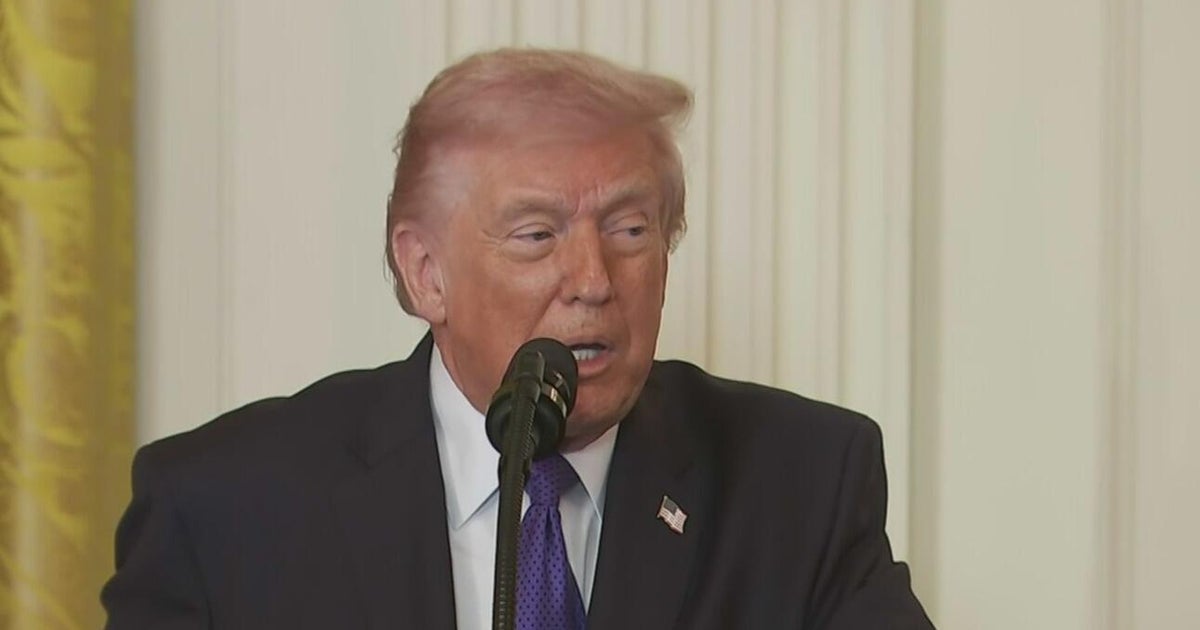
With President Donald Trump announcing the commencement of the air campaign via social media, the U.S. military executed a sweeping assault on over 1,000 targets on the first day alone. The operation, which unfolded in coordination with Israeli forces, marked a significant display of force by the U.S. Since the invasion of Iraq in 2003, it represented the largest concentration of airpower in the region.
The strikes targeted key power centers in Iran, including leadership figures such as Ayatollah Ali Khamenei, command and control centers, ballistic missile sites, and naval assets. By dismantling Iran's security apparatus, the U.S. aimed to neutralize imminent threats posed by the Iranian regime. The military employed a variety of assets, ranging from advanced stealth bombers to electronic attack aircraft, signaling a multidimensional approach in the operation.
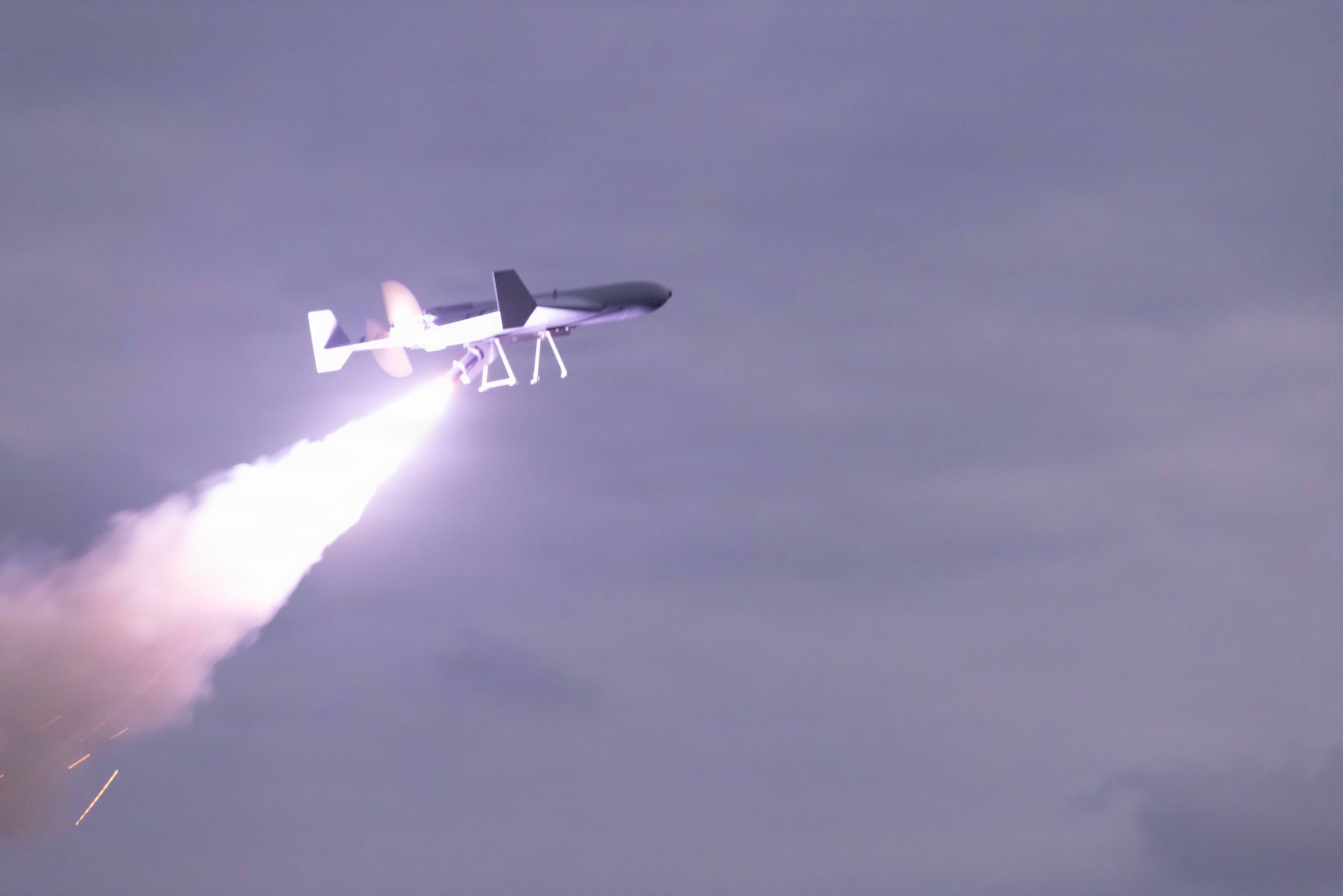
One of the primary assets utilized in the operation was the B-2 stealth bomber, equipped with precision-guided weaponry to strike strategic targets in Iran. Accompanying the B-2s were drones known as LUCAS, a cost-effective combat system modeled after Iranian-designed drones. These drones played a crucial role in delivering targeted attacks within the conflict zone.
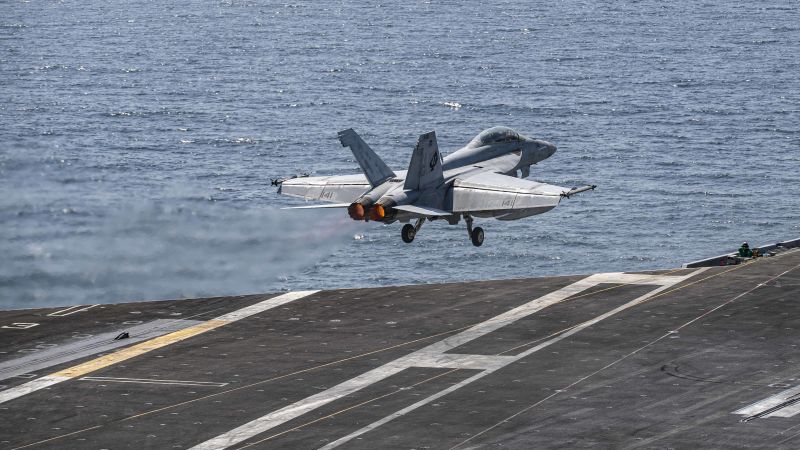
Furthermore, the operation saw the deployment of a range of fighter jets, including F-22s, F-35s, F-16s, and A-10 attack jets, each offering unique capabilities for combat missions. The U.S. military also made use of airborne early warning and control aircraft, such as the E-3 Sentry and E-2 Hawkeye, to maintain situational awareness and coordinate operations effectively.
To bolster the offensive, U.S. warships, including aircraft carriers and guided-missile destroyers, participated in the strikes. Ships like the USS Abraham Lincoln and the USS Gerald R. Ford provided essential support, housing fighter jets and facilitating missile launches against Iranian targets. Additionally, the deployment of Patriot and THAAD missile defense systems underscored the U.S.'s commitment to countering Iranian threats, including drone and missile attacks.
The success of Operation Epic Fury hinged on a comprehensive logistics network, involving refueling assets like airborne tankers and supply ships at sea. These assets played a vital role in sustaining operations by ensuring continuous operational readiness for a prolonged campaign.
As the conflict unfolded, Iranian forces retaliated with missile and drone attacks targeting U.S. military bases and civilian infrastructure in the region. The back-and-forth exchanges resulted in casualties on both sides, underscoring the high stakes of the conflict. Despite facing Iranian counterattacks, the U.S. military remained steadfast in its objective to degrade Iran's military capabilities.
Overall, Operation Epic Fury showcased the U.S.'s military prowess and ability to execute complex and coordinated operations in a high-threat environment. The deployment of advanced weaponry and strategic assets underscored the U.S.'s commitment to maintaining regional stability and security amid escalating tensions with Iran.