SpaceX Launches 29 New Starlink Satellites
SpaceX is set to expand its Starlink satellite constellation with the launch of 29 new satellites aboard a Falcon 9 rocket. Scheduled for Thursday morning from Cape Canaveral Space Force Station, this mission marks the company’s 35th Starlink launch of the year. As the number of operational satellites climbs, the implications for global internet coverage and space traffic management continue to grow.
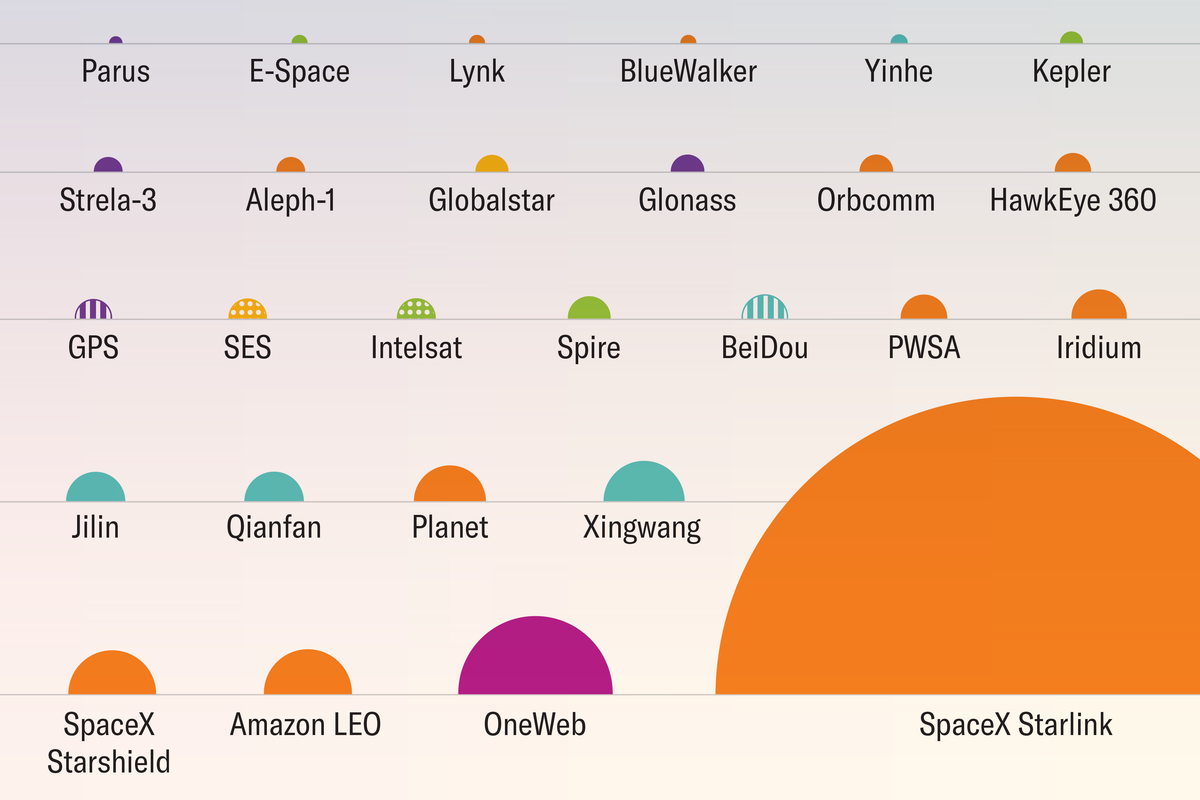
The upcoming launch, designated Starlink 10-33, is particularly significant as it adds to a constellation that already boasts over 10,000 satellites in orbit. This milestone underscores SpaceX’s leadership in the burgeoning field of satellite internet services, which has seen exponential growth since the company initiated its Starlink program in 2019.
According to forecasts from the 45th Weather Squadron, conditions for the launch appear promising, with a 75% chance of favorable weather at the start of the launch window. This percentage is expected to decrease as the window progresses, highlighting the unpredictable nature of space launch operations.
A New Era in Space
The rapid deployment of Starlink satellites has not only transformed the capabilities of internet access worldwide but has also changed the dynamics of space itself. As noted by experts, the sheer number of satellites currently in orbit—approximately two-thirds of all operational satellites—has altered our perception of the night sky and raised concerns about space debris management.
As SpaceX continues its ambitious plans, the company is not just focused on launching satellites; it is also navigating the complexities of maintaining a sustainable presence in low Earth orbit. The implications of having so many satellites operational at once are vast, impacting everything from telecommunications to astronomy.
With public interest in space exploration and satellite technology surging, this latest launch is likely to attract considerable attention. As SpaceX moves forward, the future of satellite internet and its role in connecting underserved regions remains a compelling aspect of their mission.