Uber and Rivian Join Forces for Electric Robotaxis
In a significant move towards the future of transportation, Uber Technologies has announced a partnership with electric vehicle manufacturer Rivian Automotive. The collaboration aims to deploy up to 50,000 autonomous robotaxis by 2031, marking a bold step in the rapidly evolving electric vehicle market. This initiative is expected to transform urban mobility, particularly in major cities across the U.S., Canada, and Europe.
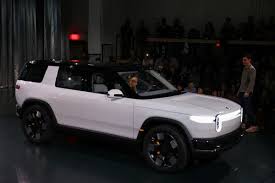
The deal involves an investment of up to $1.25 billion from Uber into Rivian, which will kick off with an initial purchase of 10,000 fully autonomous R2 vehicles. The agreement also includes an option for Uber to acquire an additional 40,000 R2s starting in 2030, contingent upon the achievement of specific performance milestones. This strategic investment reflects Uber’s commitment to enhancing its ride-hailing services with cutting-edge technology.
As part of the partnership, the Rivian robotaxis will be exclusively available through Uber’s platform, allowing users to hail these self-driving vehicles directly from the app. This integration aims to streamline the user experience while promoting the adoption of electric vehicles in everyday transportation. The anticipated rollout of these robotaxis aligns with broader trends in the automotive industry, which increasingly prioritize sustainability and innovation.
Rivian, known for its electric adventure vehicles, is preparing to launch the R2 model, which is designed specifically for urban environments. The partnership with Uber is expected to bolster Rivian’s market presence and accelerate its production capabilities. Following the announcement, Rivian’s stock experienced a notable increase, highlighting investor confidence in the future of electric mobility.
Despite the excitement surrounding this partnership, it’s worth noting that both companies have faced challenges in the past regarding the implementation of autonomous technology. Previous attempts to introduce robotaxis have not always met their targets, raising questions about the feasibility of such ambitious plans. However, the current market dynamics suggest a renewed optimism among investors and stakeholders in the electric vehicle sector.
With a growing public interest in electric vehicles, as indicated by significant online traffic surrounding the topic, Uber and Rivian’s collaboration is poised to capture attention and potentially reshape urban transport. As they navigate the complexities of regulatory approvals and technological advancements, the success of this venture may well signal a new era for driverless transportation.