Bruce Lee’s Influence in Contemporary Discussions
Recently, the legendary martial artist Bruce Lee has resurfaced in public discourse, particularly during a notable podcast episode featuring Canadian Conservative leader Pierre Poilievre and Joe Rogan. The conversation, which spanned over two hours, not only tackled serious political issues such as tariffs but also delved into the cultural impact of figures like Lee, highlighting his enduring legacy in martial arts and popular culture.
During the episode, Poilievre used his platform to advocate for the removal of tariffs imposed on Canadian goods by former President Donald Trump. He emphasized the importance of leveraging goodwill between Canada and the U.S., a sentiment that resonated with Rogan’s audience. The discussion naturally veered into lighter topics, including martial arts, where Lee’s name came up as a symbol of discipline and resilience.
Many listeners might find it intriguing that Bruce Lee’s impact continues to influence political and cultural conversations today. Poilievre’s mention of Lee reflects a broader appreciation for figures who embody strength and determination. This connection between politics and martial arts may seem unconventional, yet it underscores how cultural icons can serve as inspiration across various fields.
The episode, which aired on platforms like Spotify and YouTube, attracted significant attention, likely contributing to a spike in interest around Bruce Lee as well. With Rogan’s podcast consistently ranking high in popularity, discussions that include references to Lee can spark renewed curiosity about his philosophy and contributions to martial arts and cinema.
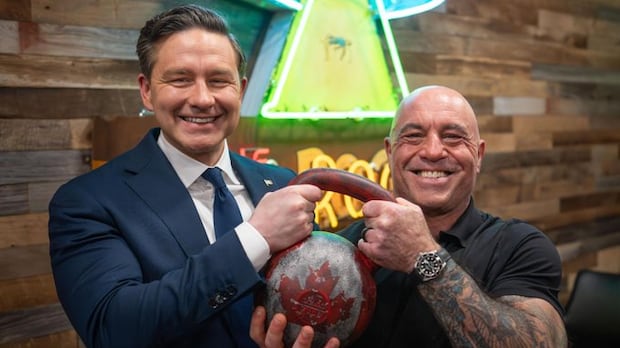
As the conversation unfolded, Poilievre presented Rogan with a Canadian-made kettlebell, blending fitness with cultural homage. This gesture not only highlighted Canada’s craftsmanship but also served as a nod to the physical discipline that figures like Bruce Lee epitomized. Such moments remind audiences of the intersection between fitness, culture, and political discourse.
In an age where public figures often seek to connect with audiences through relatable topics, the inclusion of Bruce Lee in discussions about tariffs and trade policy illustrates the multifaceted nature of his legacy. It invites a broader reflection on how martial arts philosophies can influence various aspects of life, including leadership and resilience in the face of challenges.
As interest in Bruce Lee continues to grow, fueled by conversations like those on Rogan’s podcast, it becomes increasingly clear that his influence transcends the boundaries of martial arts, resonating in the realms of politics, culture, and personal development.