Nasa’s Artemis II Mission: A New Era in Space Exploration
Nasa is gearing up for a significant milestone in space exploration with its Artemis II mission, the first crewed flight to orbit the Moon since the Apollo program over five decades ago. Set to launch no earlier than April 1, 2026, this mission aims to send a team of astronauts on a ten-day journey around the lunar body, marking a pivotal moment in Nasa’s Artemis program and a renewed commitment to manned space travel.
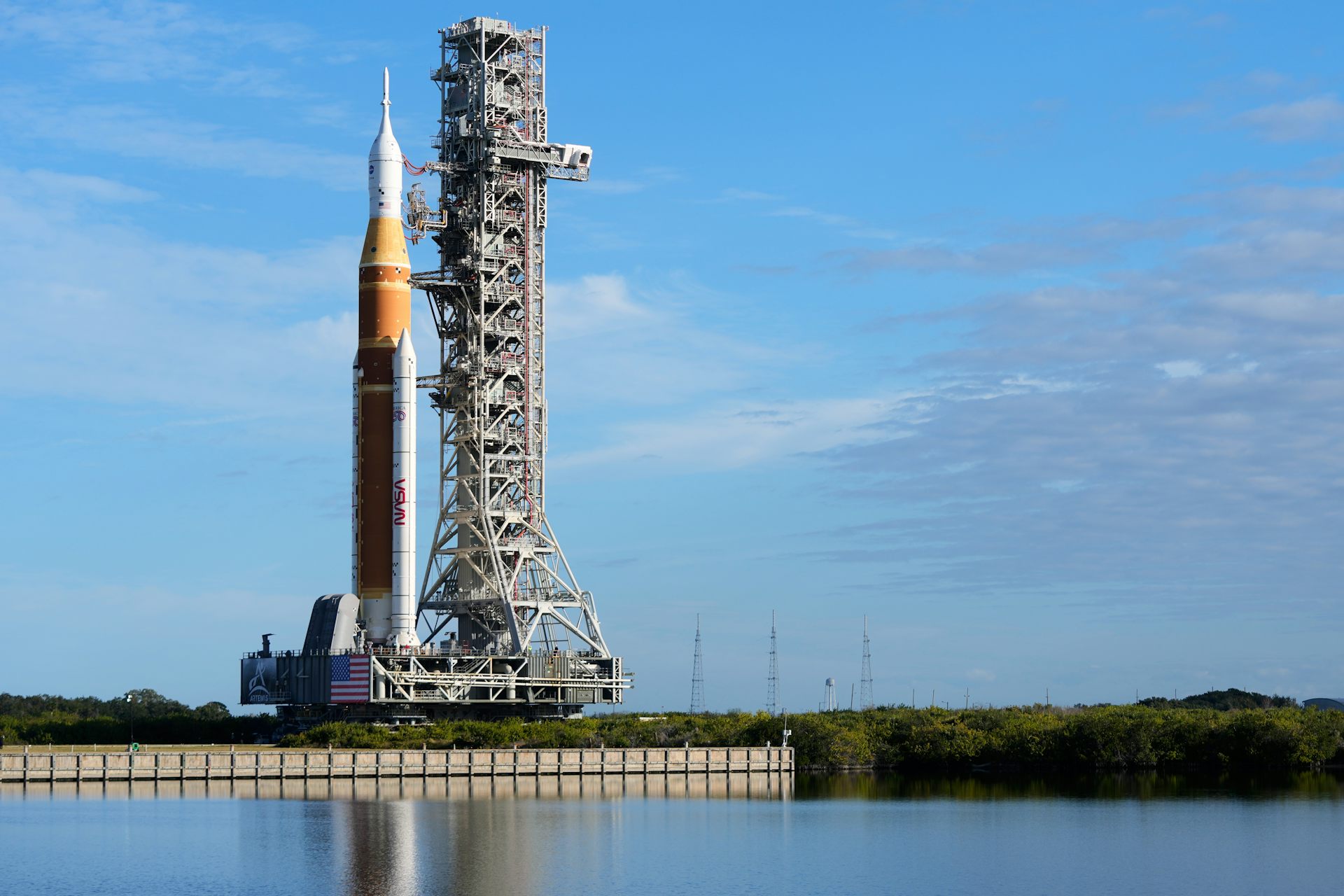
The Artemis II mission will utilize the Space Launch System cSLSc rocket, a technological marvel designed to carry humans beyond low Earth orbit. This mission will be a comprehensive test of the Orion spacecraft’s life support systems, as it will be the first time these systems operate with a crew on board. Astronauts Reid Wiseman, Victor Glover, Christina Koch, and Canadian Space Agency astronaut Jeremy Hansen are set to embark on this historic flight.
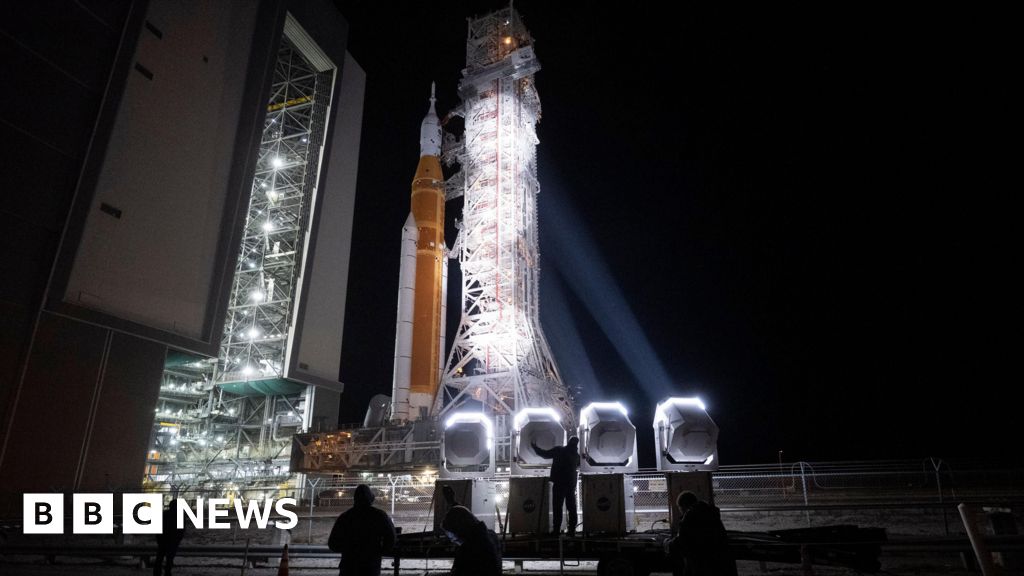
After experiencing delays due to technical issues, including a recent helium system problem that necessitated returning the rocket indoors for repairs, Nasa has confirmed that the SLS and Orion are now back at the Kennedy Space Center, ready for final preparations. This careful approach underscores the importance of ensuring every component is meticulously checked before the launch window opens.
The significance of Artemis II extends beyond just the journey around the Moon. It aims to lay the groundwork for future missions, including Artemis III, which plans to return humans to the lunar surface. This mission not only serves as a stepping stone for lunar exploration but also sets the stage for eventual Mars missions, reflecting Nasa’s broader objectives in deep space exploration.
Public interest in the Artemis program is palpable, with thousands following updates and coverage across various platforms, including Nasa’s YouTube channel and streaming services like Amazon Prime. As the launch date approaches, anticipation builds among space enthusiasts and the general public alike, eager to witness this new chapter in human spaceflight.
As Nasa prepares for this historic launch, the Artemis II mission exemplifies a significant leap in space exploration capabilities. It not only revitalizes interest in lunar exploration but also reinforces international collaboration, with the participation of Canadian astronauts highlighting the global nature of modern space endeavors. The Artemis program is not just about reaching the Moon; it represents humanity’s collective ambition to explore and understand the cosmos.