
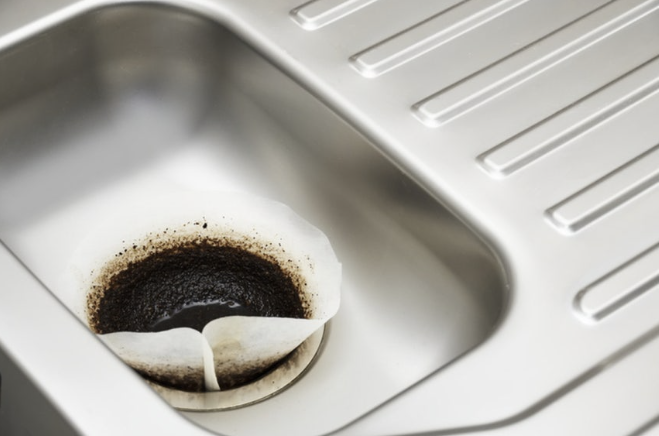
It’s a small habit that doesn’t seem like a big deal. After making coffee at home, it’s easy to dump the leftover grounds straight into the sink and rinse them away without thinking twice.
The problem is, they don’t really disappear.
While wet coffee grounds may pass through the drain filter, they tend to settle inside the pipes. Once there, they combine with leftover cooking oil and detergent residue that naturally builds up over time. What starts as soft, harmless particles gradually turns into something much thicker.
Inside a pipe, that mixture behaves very differently than it does in a sink. Oil and fat cling to the pipe walls, and when damp coffee grounds stick to that layer, they begin forming dense clumps. Over time, those clumps harden and restrict water flow, sometimes completely blocking it.
This is why a minor habit can turn into a surprisingly expensive problem. Clearing a blocked pipe often requires professional service, and even a basic visit can cost anywhere from around $70 to $200. If the blockage is deeper or requires high-pressure cleaning, the cost can rise significantly.
What makes this issue more common is how frequently coffee grounds are disposed of improperly. In some estimates, large cities generate hundreds of tons of coffee waste every day. When even a portion of that ends up in household drains, the impact adds up quickly.
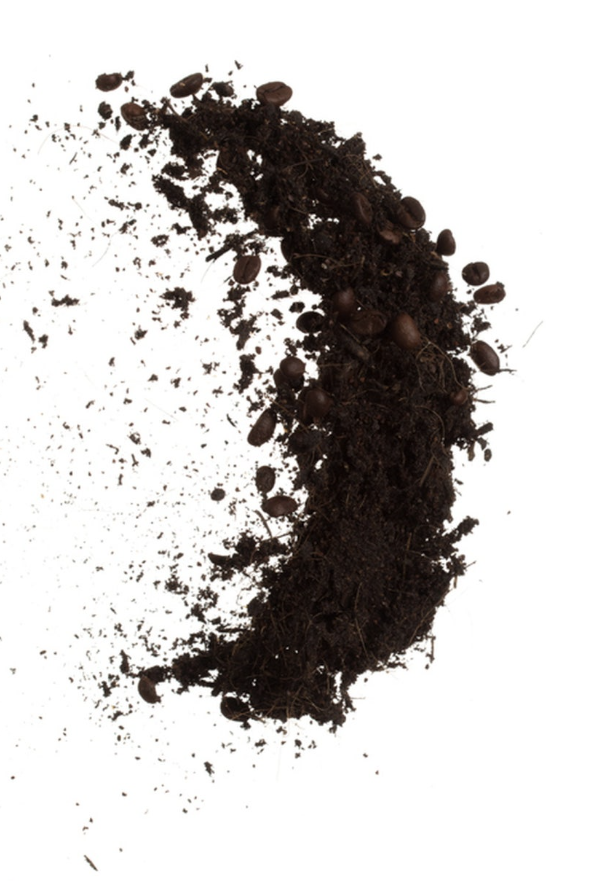
◇ Inside pipes, coffee grounds can harden into dense masses when combined with grease
There’s also a widespread misconception that coffee grounds help remove grease. While dry grounds can absorb oil on surfaces like pans, the environment inside a pipe is completely different. Instead of cleaning, the grounds often make the situation worse by binding with grease and forming sludge-like deposits.
In plumbing, these hardened masses are sometimes compared to “fatbergs,” a term used to describe large accumulations of grease and debris found in sewer systems. If a drain starts to smell unpleasant or water begins to drain more slowly, it could already be a sign that buildup is forming inside.
The safest way to handle coffee grounds is simple: keep them out of the sink. Let them dry first, then dispose of them with regular household waste. The key is avoiding sending them down the drain while they are still wet.
Once fully dried, coffee grounds can actually be useful around the house. They can be placed in small pouches to absorb odors in refrigerators or closets, and in small amounts, they can even be mixed into soil as a supplementary material for plants.
In other words, the difference comes down to where they end up. The same coffee grounds that can clog a pipe can also be reused in practical ways — as long as they’re handled properly.
For something that takes only a few seconds, the choice of where to throw them away can make a noticeable difference. In some cases, it’s the difference between a clean drain and an unexpected repair bill.