

For many people, walking is the easiest way to begin exercising. It doesn’t require special equipment, a gym membership, or even much planning. You can simply step outside and start moving, which is why it’s often the first habit people adopt when trying to improve their health.
And to be fair, walking does a lot of things right.
At a brisk pace — fast enough that you can talk but not comfortably sing — it counts as moderate-intensity exercise. That level of activity has been consistently linked to benefits like better cardiovascular health, improved mood, and even reduced body fat over time.

◇ Strength training plays a key role in maintaining muscle and physical independence
But here’s where things get a little more complicated.
Walking alone, even if done regularly, doesn’t cover everything your body needs.
Health guidelines from organizations like the World Health Organization recommend not only regular aerobic activity, but also strength training at least twice a week. The reason is simple: different types of movement support different aspects of health, and relying on just one leaves gaps.
In practice, many people do focus heavily on walking. It’s common to see routines built around daily steps or short walks throughout the day. What tends to be missing, however, is any form of muscle-strengthening activity.
That gap matters more than it might seem.
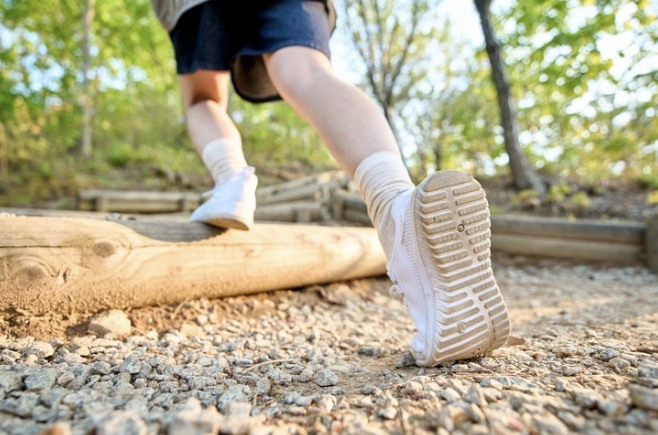
◇ Walking is one of the most accessible forms of moderate-intensity exercise
Muscle strength isn’t just about fitness performance. It’s closely tied to how well the body functions in everyday life — from maintaining balance to preventing falls. As people get older, this becomes even more important, since muscle mass naturally declines over time.
Without some form of resistance training, that decline can accelerate, increasing the risk of injury and reducing overall mobility.
Walking, for all its benefits, has limits in this area. It keeps you moving, but it doesn’t challenge your muscles in a way that leads to meaningful strength gains. That’s why experts often emphasize combining it with other forms of exercise rather than relying on it alone.
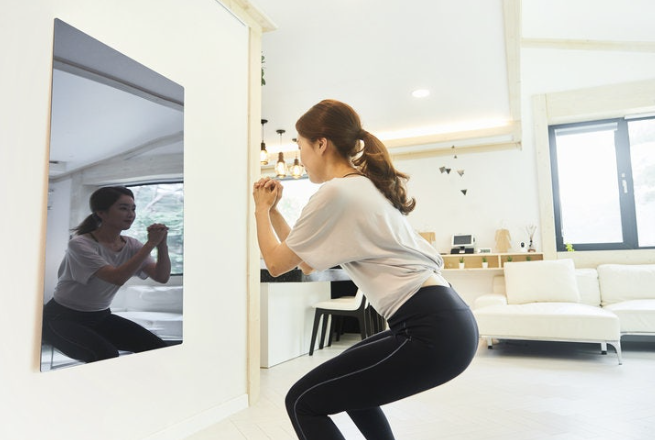
◇ Simple bodyweight exercises can effectively target major muscle groups
The good news is that adding strength work doesn’t have to mean complicated workouts or expensive equipment.
Simple bodyweight exercises — like squats, push-ups, or resistance band movements — can be enough if done consistently. What matters most is engaging major muscle groups and doing so regularly, even in short sessions.
This is where small habits can make a difference.
Instead of setting aside long workout blocks, some people build strength into their day in short bursts — taking the stairs, doing a few squats while waiting for coffee, or adding quick sets of movement between daily tasks. These short efforts, when repeated, can still have measurable benefits.

◇ Short bursts of movement throughout the day can improve overall fitness
In the end, walking remains a strong foundation. It’s accessible, low-risk, and easy to maintain over time.
But long-term health isn’t built on a single type of movement.
A more balanced approach — combining walking with strength, flexibility, and even basic balance exercises — tends to support the body more completely. It’s not about doing more in one area, but about using the body in different ways.
Sometimes, the difference between a routine that feels good and one that actually supports long-term health comes down to that balance.