
A possible public listing from SpaceX is beginning to draw serious attention, not just because of the company itself, but because of what it could represent for the broader market.
Reports suggest that the company has taken early steps toward an IPO, potentially setting the stage for one of the largest listings ever. While details remain limited, the scale being discussed — both in valuation and fundraising — is far beyond what markets typically see.
What makes this situation stand out isn’t simply the size. It’s the type of company involved.
SpaceX operates in an area that has traditionally been dominated by governments. Over the past decade, however, it has helped reshape the space industry into something closer to a commercial market. Reusable rockets, frequent launches, and private-sector contracts have turned what was once a slow-moving field into a much more dynamic one.

◇ SpaceX has become a key player in commercial space launches
That transformation is part of the reason an IPO, if it happens, would attract such widespread interest. Investors are not just looking at financial performance, but at the company’s position in a sector that continues to expand.
There’s also the broader ecosystem to consider. SpaceX is not limited to launch services — its satellite network has already begun shaping global internet infrastructure, especially in regions where traditional connectivity is limited. This creates a different kind of business model, one that combines aerospace, telecommunications, and long-term data demand.
At the same time, timing remains a critical factor.
Even for a company with strong momentum, public listings depend heavily on market conditions. Ongoing geopolitical tensions and recent volatility in global markets have introduced a level of uncertainty that could influence both valuation and investor sentiment. Large IPOs tend to require not just interest, but stability.
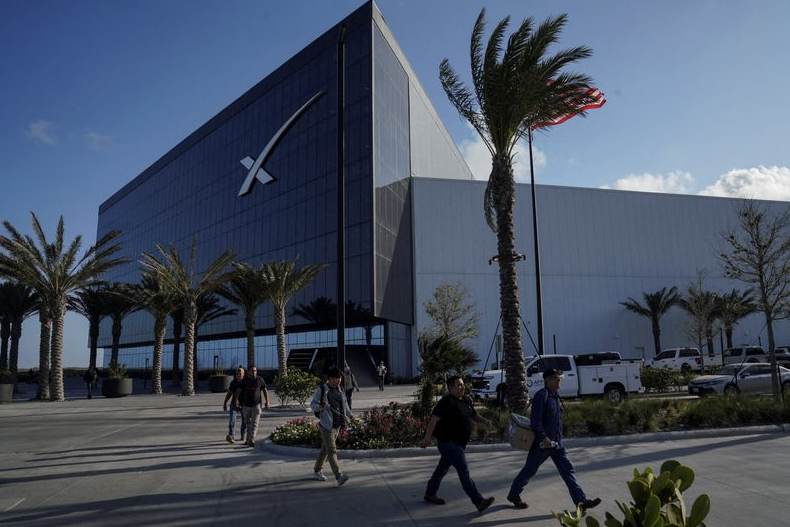
◇ Market conditions can play a major role in the success of large IPOs
Still, there is a sense that demand could be unusually strong. Companies associated with Elon Musk tend to attract significant attention from both institutional and retail investors. For many, the appeal goes beyond financial metrics and into long-term vision — particularly in industries that are still evolving.
What this situation ultimately highlights is how much the definition of a “tech company” has expanded. A firm rooted in space exploration can now sit at the center of financial markets, drawing comparisons with some of the largest companies in the world.
Whether or not the listing moves forward on the expected timeline, the conversation itself reflects a shift. Industries that once seemed distant from everyday markets are becoming investable narratives, and that shift may continue regardless of a single IPO outcome.