
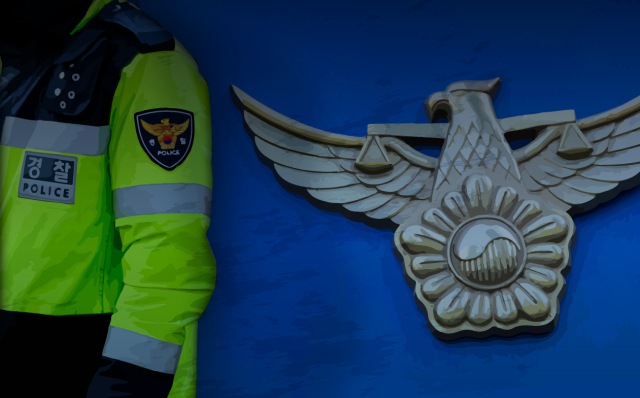
A recent case in South Korea has drawn attention to how persistent, seemingly small actions can develop into serious forms of harassment.Authorities reported that a woman in her 30s was arrested after repeatedly attempting to contact her former partner following a breakup. What initially appeared to be isolated efforts — such as sending messages or visiting his residence — gradually escalated into a pattern of behavior that continued over an extended period.One of the more unusual methods involved small bank transfers. By sending minimal amounts of money, she was able to include short messages within the transaction notes, effectively bypassing traditional communication blocks. While each action on its own might seem minor, the frequency and persistence turned it into a sustained form of unwanted contact.Over time, the number of incidents grew into the hundreds
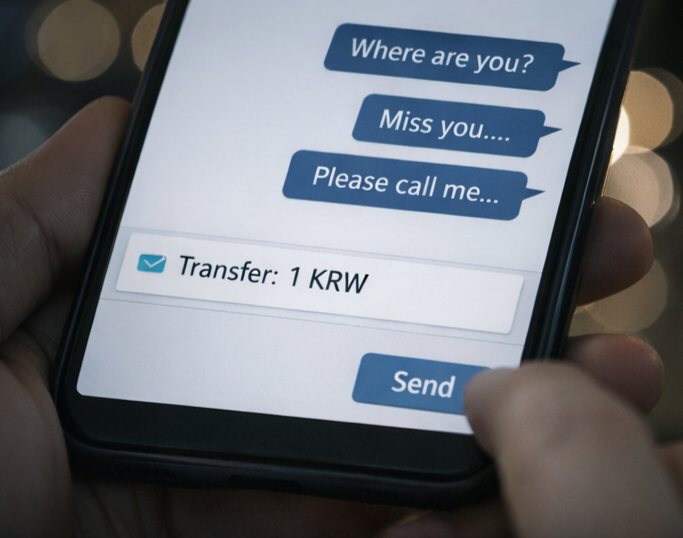
◆ Repeated unwanted contact can escalate into legally recognized stalking behavior
The case reflects a broader issue that has been gaining attention in South Korea in recent years. Stalking is no longer viewed as a series of isolated or harmless actions, but as a pattern of behavior that can cause significant psychological distress to the victim.Legal frameworks have evolved accordingly. Protective measures can now be put in place even before a full criminal investigation is completed, including restrictions on physical proximity and communication. Violating those measures can lead to immediate legal consequences.In this instance, authorities had already issued such restrictions, but the behavior continued, eventually leading to an arrest.
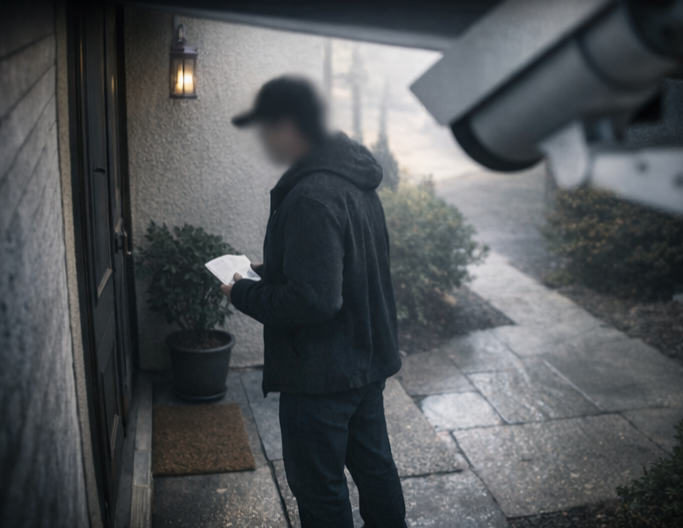
◆ Protective measures can include restrictions on contact and proximity
What stands out in cases like this is not just the scale, but the way technology can be used to maintain unwanted contact. Methods that are not traditionally seen as communication — such as financial transactions — can still become tools for harassment when used repeatedly.
This raises questions about how boundaries are enforced in a highly connected environment, where blocking one channel does not necessarily prevent access through another.
At the same time, the case highlights the growing recognition of psychological harm. Even without physical violence, repeated intrusion into someone’s daily life can create ongoing stress and fear, which is increasingly being treated as a serious issue.
While each situation is different, the broader message remains consistent. What may start as an attempt to reconnect can cross into harassment when it continues against someone’s will — especially when it becomes persistent and unavoidable.