
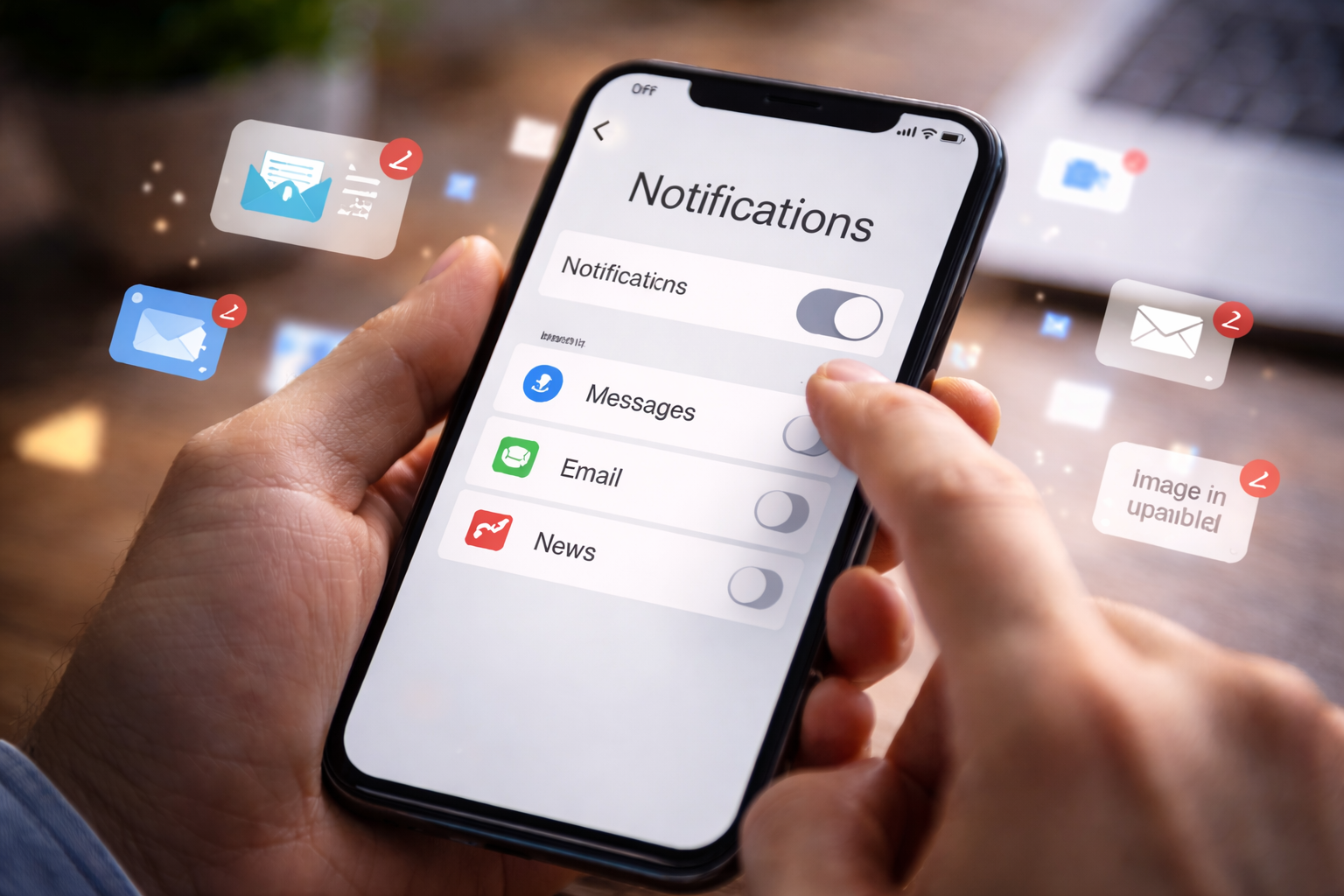
For years, smartphones have been designed to keep people constantly connected. Messages, alerts, breaking news, and endless app notifications all compete for attention throughout the day.
But recently, a quiet shift has been happening.
More people are starting to turn those notifications off.
At first glance, it might seem like a small change — just a few settings adjusted in the background. But the reason behind it points to something much bigger: growing digital fatigue.
Many users describe the same experience. A constant stream of alerts creates a sense of urgency, even when nothing is actually urgent. Over time, that pressure builds, making it harder to focus or fully disconnect.
What used to feel like convenience is now starting to feel like noise.
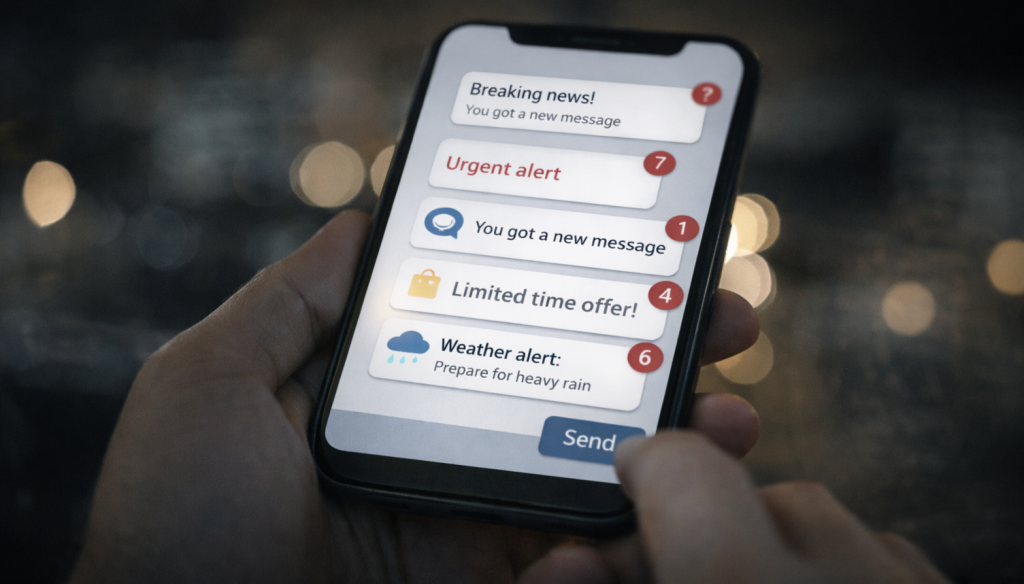
◇ Constant notifications can create a sense of urgency even when nothing is urgent
This shift is especially noticeable among younger users and professionals who rely heavily on digital tools. Instead of staying available at all times, they are choosing when and how to engage.
Turning off notifications becomes a way to regain control.
Rather than reacting instantly, people are starting to check messages on their own schedule. The difference may seem subtle, but it changes how attention is managed throughout the day.
◇ Managing attention has become just as important as managing time
There’s also a deeper reason behind this trend.
As digital environments become more crowded, attention itself becomes a limited resource. Every alert competes for it, and over time, that competition can become exhausting.
This is why some people are now treating attention like something that needs to be protected — not constantly given away.
In that context, turning off notifications isn’t about missing out. It’s about choosing what actually matters.
What’s interesting is that this change doesn’t require new technology.
It’s simply a shift in behavior.
And that may be why it’s spreading quietly. No major announcement, no new app — just people adjusting how they interact with what’s already in their hands.
In the end, this trend says less about devices and more about people.
The tools haven’t changed much.
But the way people use them is starting to.
And that might be the more important signal.