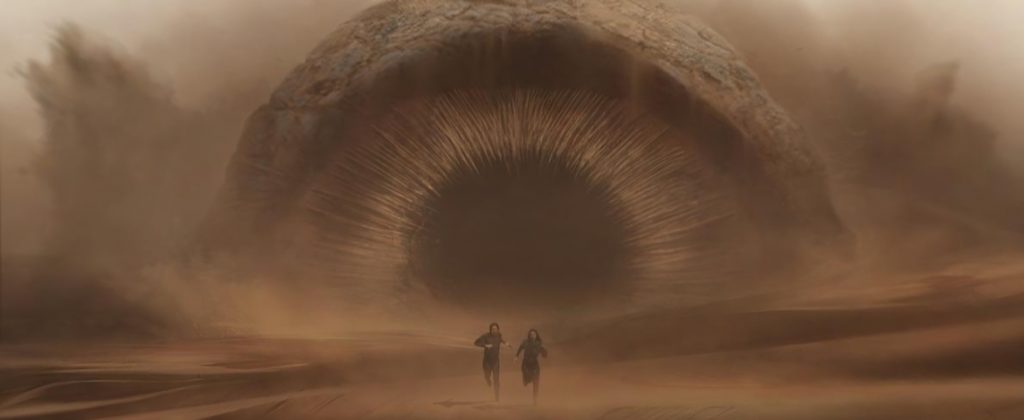

Some films are built around constant action, while others rely more on atmosphere and scale. Dune: Part Two clearly leans toward the latter, but in a way that feels more refined compared to the first installment.
From the opening moments, the film establishes a sense of vastness. The desert landscapes are not just a backdrop—they feel like a central part of the story itself. Every scene seems carefully constructed to emphasize space, silence, and tension.

One of the most noticeable differences this time is the pacing.
While the first film focused heavily on building the world, the second part moves forward with more purpose. There’s still a slow, deliberate rhythm, but it feels more grounded. Events carry more weight, and the story begins to take clearer shape.
The visual quality remains one of the film’s strongest elements.
Lighting, composition, and scale all work together to create scenes that feel almost overwhelming at times. Even without dialogue, many moments communicate a strong sense of emotion simply through imagery.
The characters also feel more defined here.
Instead of just being introduced, they are given space to develop. Their motivations become clearer, and the relationships between them begin to feel more personal. This shift makes it easier to stay engaged with the story, even during slower sections.
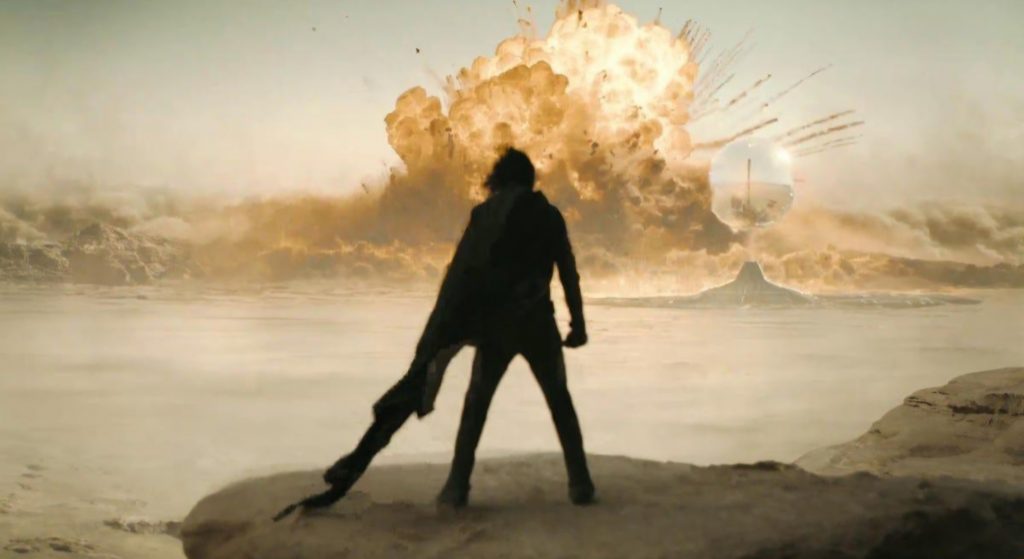
At the same time, the film doesn’t try to simplify everything.
Some elements remain complex, and not every detail is fully explained. For some viewers, that might feel slightly distant. But for others, it adds to the overall experience by keeping the story layered rather than straightforward.
In the end, Dune: Part Two isn’t just about what happens next. It’s about how the world continues to expand, both visually and narratively.
It may not follow the usual fast-paced blockbuster formula, but that’s also what makes it stand out.