
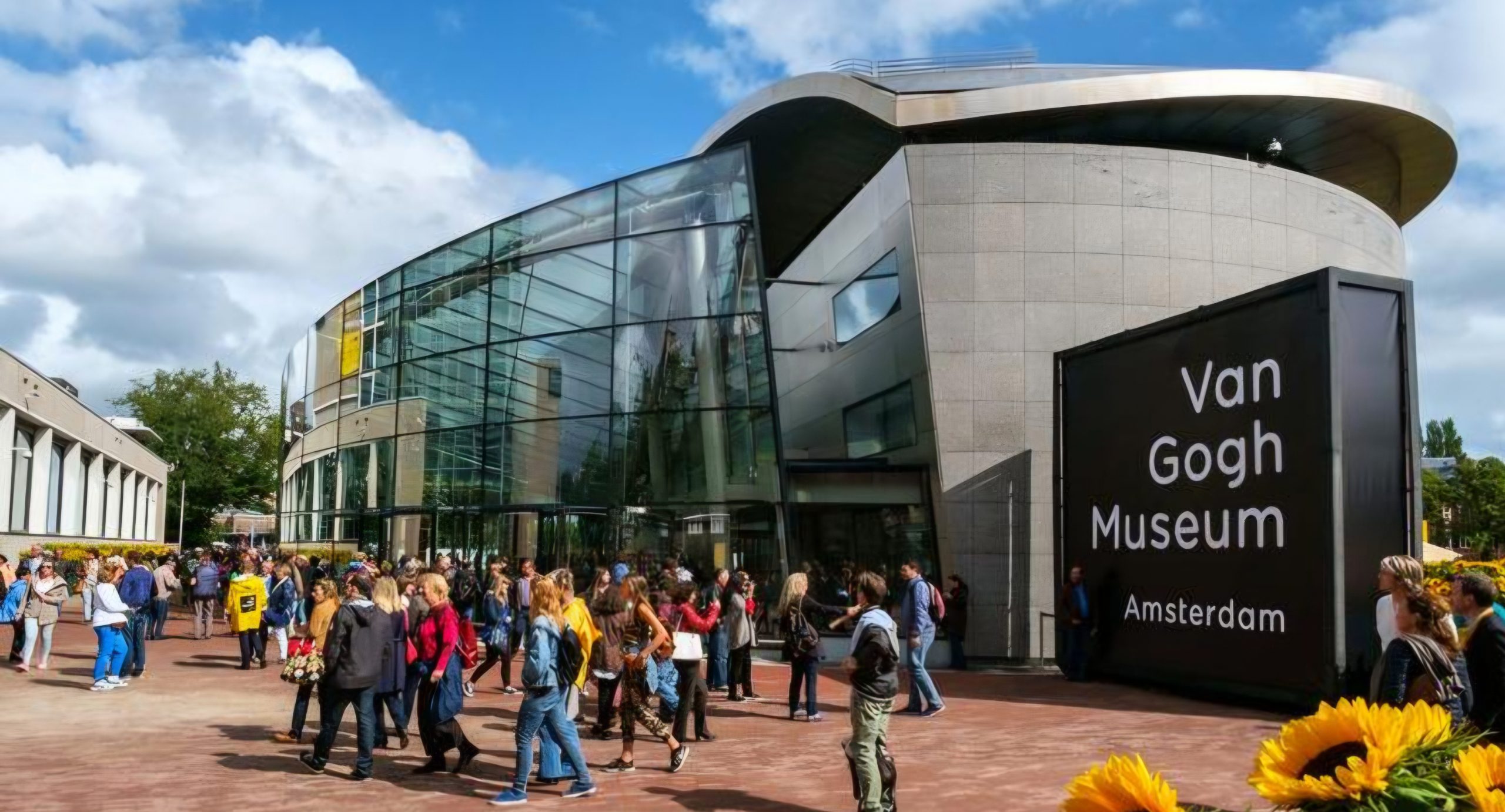
Some artworks are so widely recognized that they almost feel familiar, even to people who have never seen them in person.
The Starry Night by Vincent van Gogh is one of those rare pieces.
At first glance, it’s easy to focus on the swirling sky. The movement of the stars, the deep blues, and the glowing yellows immediately draw attention. It feels dynamic, almost alive, as if the night itself is in motion.
But the longer you look, the more the details begin to settle.
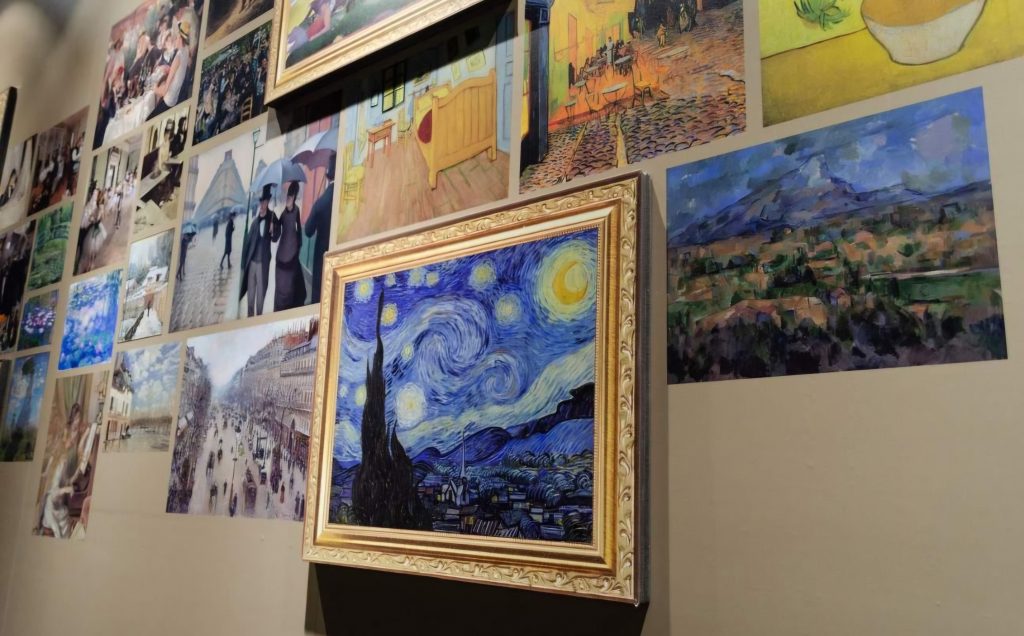
The village below is quiet and still, creating a strong contrast with the restless sky above. That balance between calm and movement gives the painting a unique tension—something that feels both peaceful and slightly unsettling at the same time.
What makes this work especially interesting is not just its visual style, but the feeling it creates.
There’s no clear story being told. No single moment to follow. Instead, it leaves space for interpretation. Some people see it as a reflection of emotion, others as a study of light and movement. The meaning isn’t fixed, and that’s part of what keeps it engaging.
Seeing the painting in person is often described as a different experience altogether.
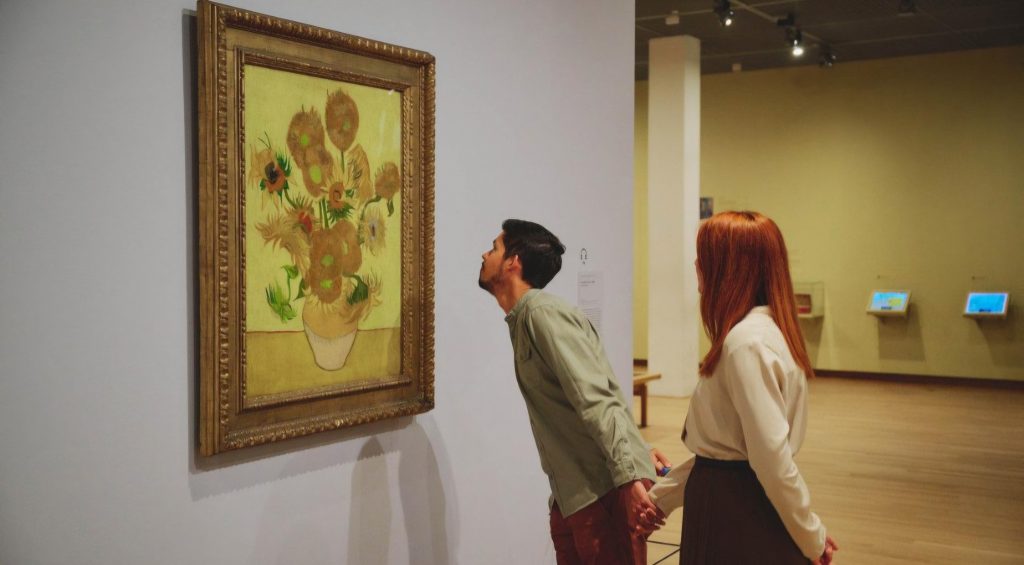
The texture of the brushstrokes becomes more visible, and the colors feel deeper than they appear in reproductions. It’s one thing to recognize an image, and another to stand in front of it and notice the details that don’t always show up on a screen.
Even so, the impact of the painting doesn’t rely entirely on being physically present.
There’s something about its composition that continues to resonate, no matter how it’s viewed. The balance of movement and stillness, the contrast between light and darkness—it all comes together in a way that feels surprisingly modern, despite being created over a century ago.
In the end, The Starry Night isn’t just remembered because it’s famous.
It’s remembered because it creates a feeling that’s easy to return to, even after you’ve looked away.