
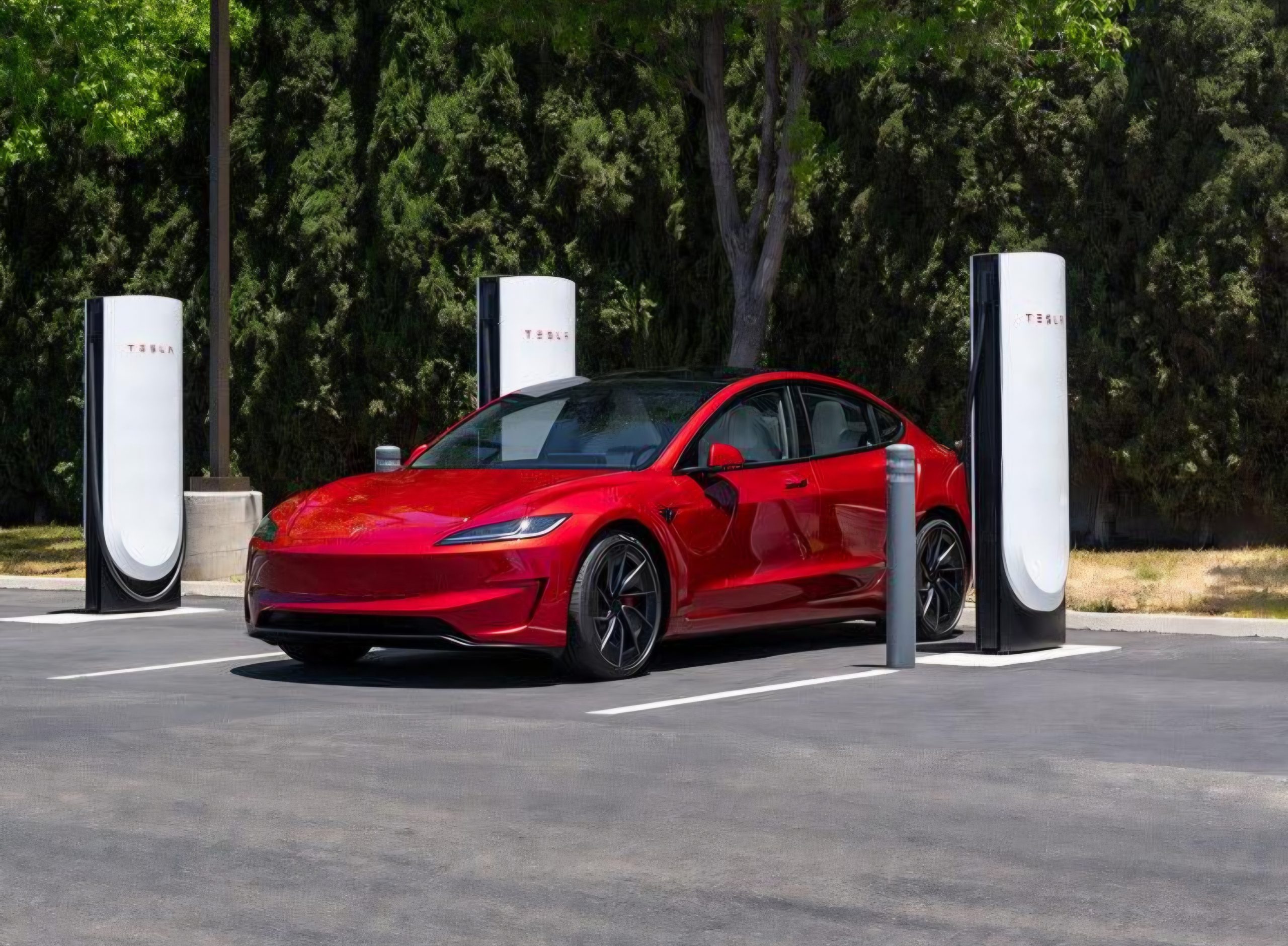
Driving a Tesla doesn’t feel like stepping into a traditional car. The difference is noticeable almost immediately, even before the vehicle starts moving.
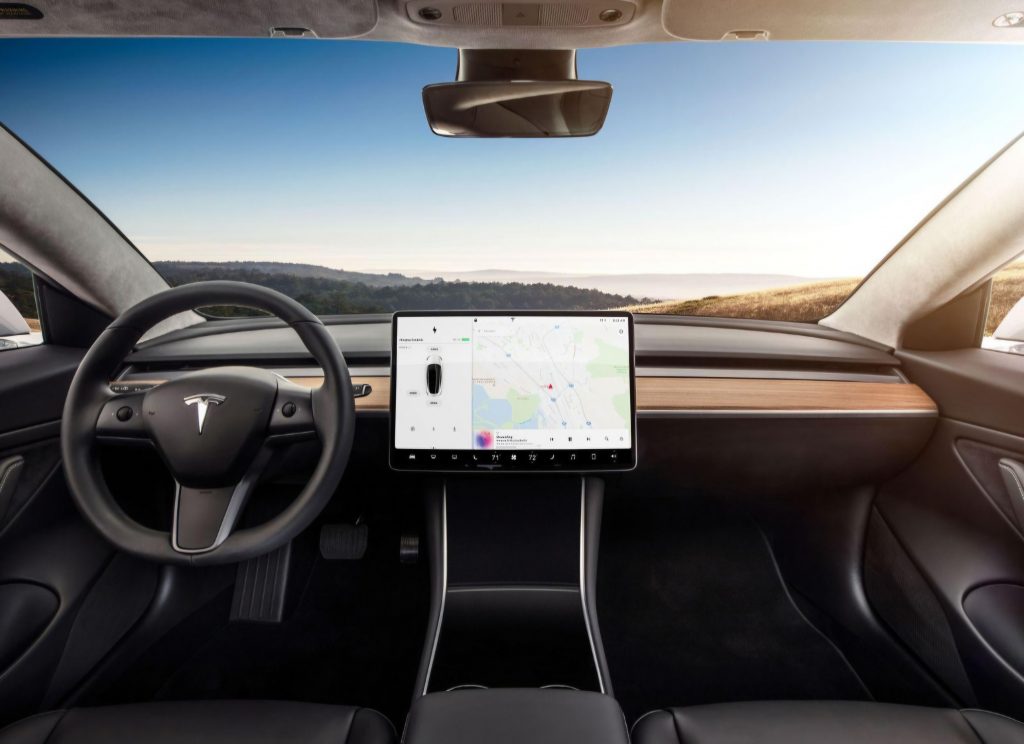
The interior is the first thing that stands out.
Instead of a dashboard filled with buttons and controls, everything is centered around a single screen. At first, it can feel slightly unfamiliar. Simple actions like adjusting mirrors or changing settings require navigating through the display rather than reaching for physical switches.
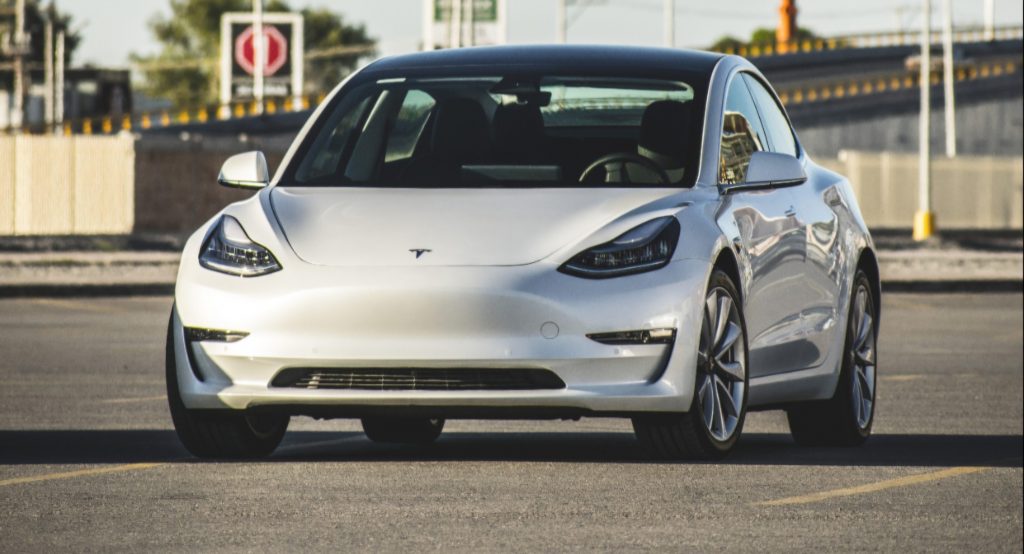
But over time, that minimal approach starts to feel more natural.
There’s less visual clutter, and the cabin feels more open. Once you get used to the layout, it becomes easier to focus on driving rather than managing multiple controls at once.
The driving experience itself is where the biggest difference appears.
Acceleration is smooth and immediate. There’s no delay between pressing the pedal and feeling the response. It doesn’t come across as aggressive, but it’s noticeably quicker than most traditional vehicles. Even short drives can feel more engaging simply because of how responsive everything is.
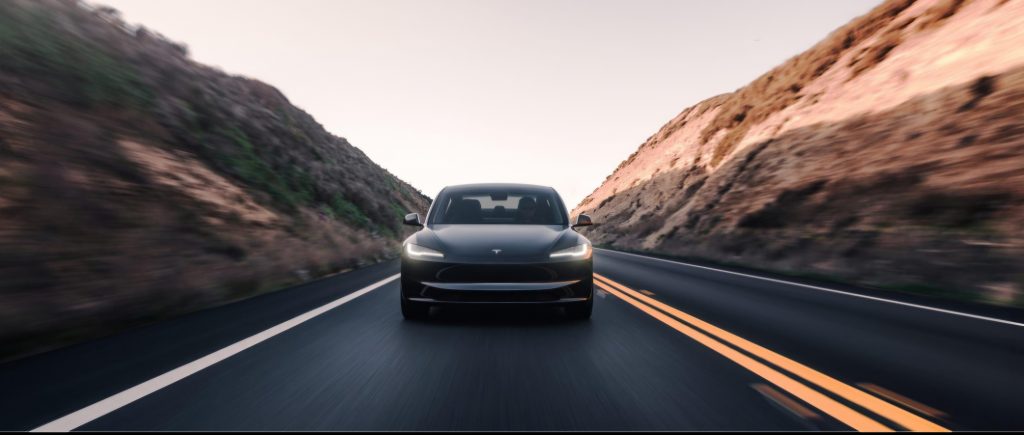
Another detail that stands out is how quiet the ride is.
Without the usual engine noise, the overall atmosphere inside the car changes. Conversations feel easier, and long drives can feel less tiring. At the same time, some drivers might initially find the silence unusual, especially if they’re used to the sound of a conventional engine.
Charging is also part of the experience, not just a routine task.
Unlike refueling at a gas station, charging requires a bit more planning. However, once you become familiar with the process and available locations, it becomes part of a different kind of driving habit. For many, it feels less like an inconvenience and more like a shift in routine.
Technology plays a significant role as well.
Software updates, navigation features, and driving assistance systems are integrated into the experience. These elements don’t just add convenience—they gradually change how the car feels over time. Instead of remaining the same, the vehicle can evolve through updates.
Of course, not everything feels perfect.
The reliance on a central screen can be distracting in certain situations, and not everyone prefers the lack of physical controls. Some features may take time to fully understand, especially for drivers transitioning from more traditional cars.
But that’s also part of what makes the experience different.
Driving a Tesla isn’t just about getting from one place to another. It feels more like adapting to a new way of interacting with a vehicle—one that is shaped as much by software as it is by hardware.
And once that adjustment happens, it’s easy to see why the experience stands out from the rest.