
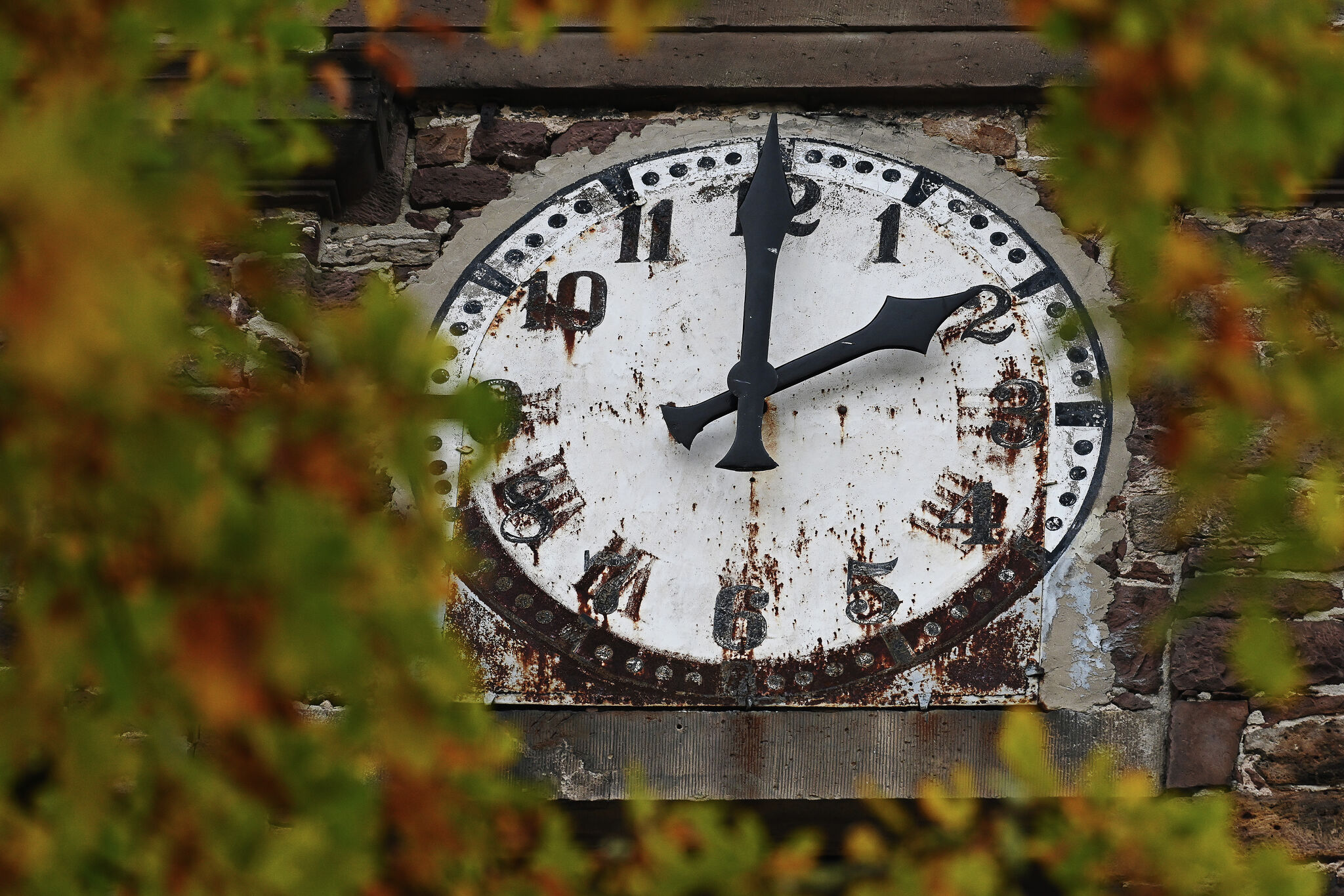
As we head into colder and darker months, it's time to prepare for the end of daylight saving time. On Nov. 2, 2025, the clocks will "fall back," marking the transition from daylight saving time to standard time. This change, mostly observed in the United States and many countries worldwide, aims to extend daylight hours seasonally. Despite its long-standing tradition, there has been ongoing debate about the necessity and effectiveness of daylight saving time.
During this time change, set to occur at 2 a.m. local time, residents in states that observe daylight saving time will turn their clocks back one hour, effectively gaining an extra hour of sleep. This alteration serves to add more daylight during the winter mornings, leading to an earlier sunset and more darkness in the evenings. The fall daylight saving time will last until the following spring, when clocks will "spring forward" to add more daylight in the evenings.
The concept of daylight saving time has a historical lineage dating back to World War I, with the idea of maximizing natural daylight to conserve resources during the war. The practice involves setting clocks forward by one hour during the warmer months and then adjusting them back by an hour in the fall. It aims to align waking hours with natural daylight patterns as the Earth orbits the sun and tilts on its axis, resulting in varying day lengths throughout the year.
In recent years, there has been a growing movement to make daylight saving time permanent, eliminating the need for biannual clock changes. Advocates argue that a consistent time year-round would reduce confusion, enhance safety, and improve productivity. However, opposition to permanent daylight saving time raises concerns about health and safety implications, advocating for the maintenance of standard time year-round.
Efforts to establish uniform time practices at the federal level have faced obstacles. While most US states adhere to daylight saving time, exceptions exist with Arizona, Hawaii, and some US territories opting out. The push for year-round daylight saving time has seen legislative support, with over 700 pieces of legislation regarding time changes introduced at the state level, and 20 states passing laws to move towards permanent daylight saving time pending congressional approval.
Former President Donald Trump has expressed both support and uncertainty regarding the elimination of daylight saving time, acknowledging differing preferences on the matter. Trump's calls for permanent daylight saving time have resonated with supporters who perceive the practice as inconvenient and costly. However, the issue remains divisive, with Trump noting a lack of consensus and challenges in rallying support for a single solution.
As conversations surrounding daylight saving time continue, the debate reflects a nuanced balance between maximizing daylight hours, addressing safety concerns, and accommodating diverse preferences. Despite legislative efforts and public discourse, achieving a definitive resolution on daylight saving time remains a complex and ongoing process.
In conclusion, the impending end of daylight saving time signals a seasonal shift with implications for daily routines and natural light exposure. Whether the practice persists, evolves, or undergoes reform, the discussion surrounding daylight saving time underscores the intricate interplay between tradition, efficiency, and individual preferences in timekeeping practices.